Masala Magic
Responsive Website
2025
End to End UX/UI Designer
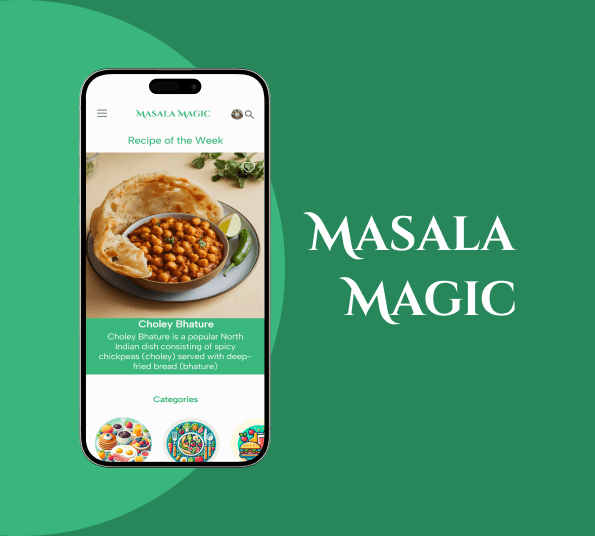
Background
The Challenges of Online Cooking Resources: Complexity, Inaccessibility, and the Loss of In-Person Learning
Online cooking resources are often inadequate. Recipes are complex and lack personalization. Videos and classes can be inaccessible. The decline of in-person learning hinders skill development for home cooks.
Solution
Discover quick and easy Indian recipes for the whole family. This website simplifies cooking with weekly meal plans, grocery lists, and prep-ahead tips, making delicious home-cooked meals achievable even on busy days.
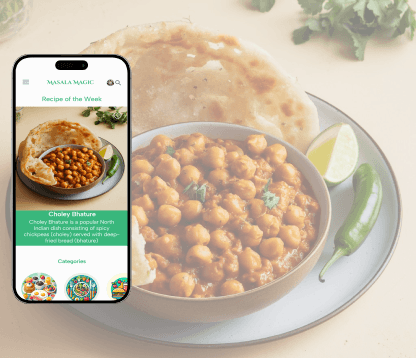
In today's busy world, many people struggle to find time for cooking healthy meals. However, they still desire to prepare nutritious food at home whenever possible. This website assists these individuals by providing prep-ahead recipes, weekly meal plans, and reminders for grocery shopping, including a convenient shopping list
Tools
Figma ,Whimsical.com
Duration
5 Weeks
Research Goals
Identify key challenges users encounter while learning to cook basic Indian meals online
We will investigate user preferences for recipe formats, difficulty levels, and cultural context.
Furthermore, we will assess the need for personalized learning experiences, such as accommodating dietary restrictions and skill levels
Researching competitors, conducting online research, and conducting user interviews were some of the research methodologies applied
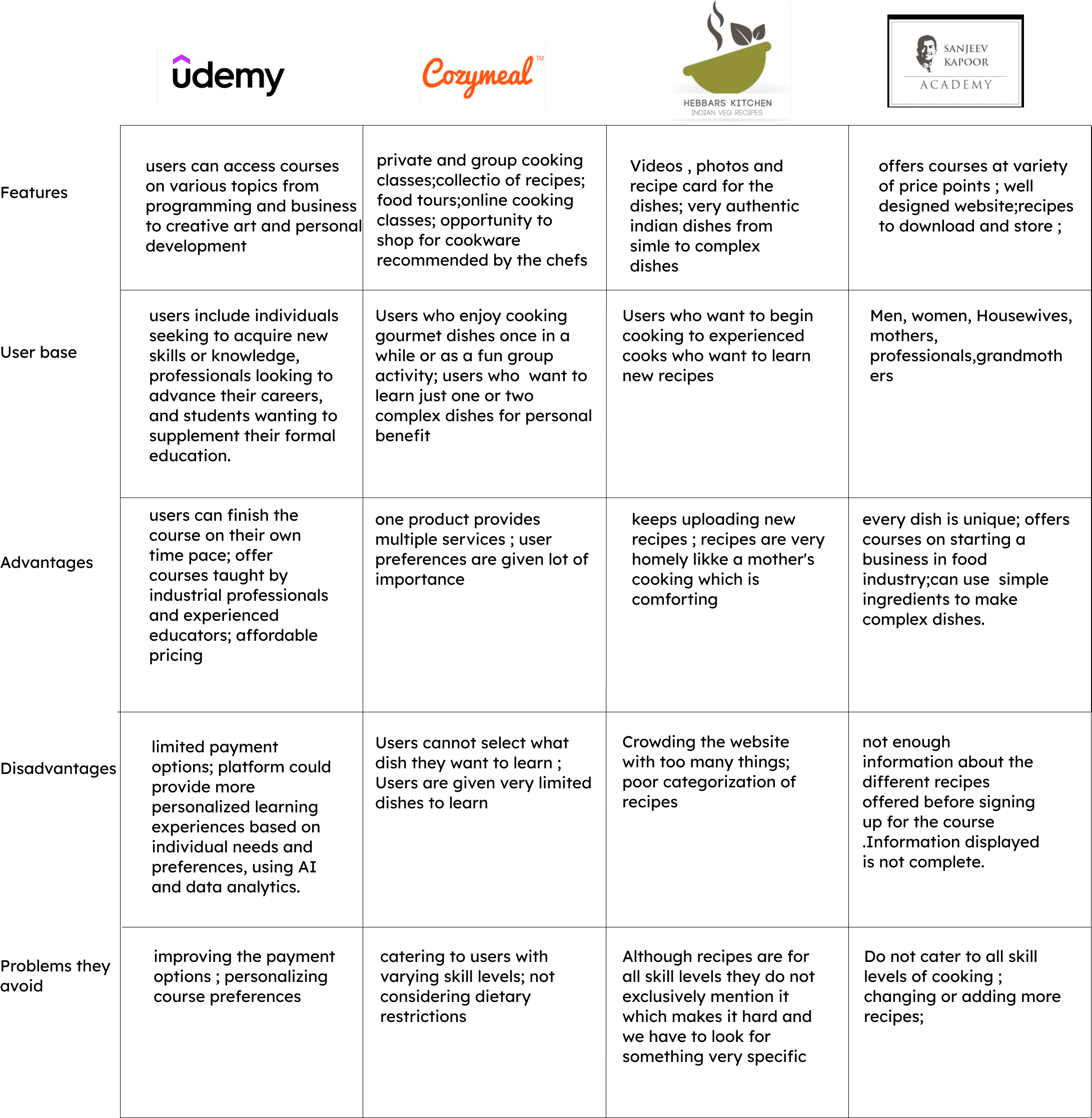
Competitor Analysis
For this analysis, I chose four representative cooking websites: Sanjeev Kapoor Academy, Hebbar's Kitchen, Cozy Meal, and Udemy.
Understanding the Users
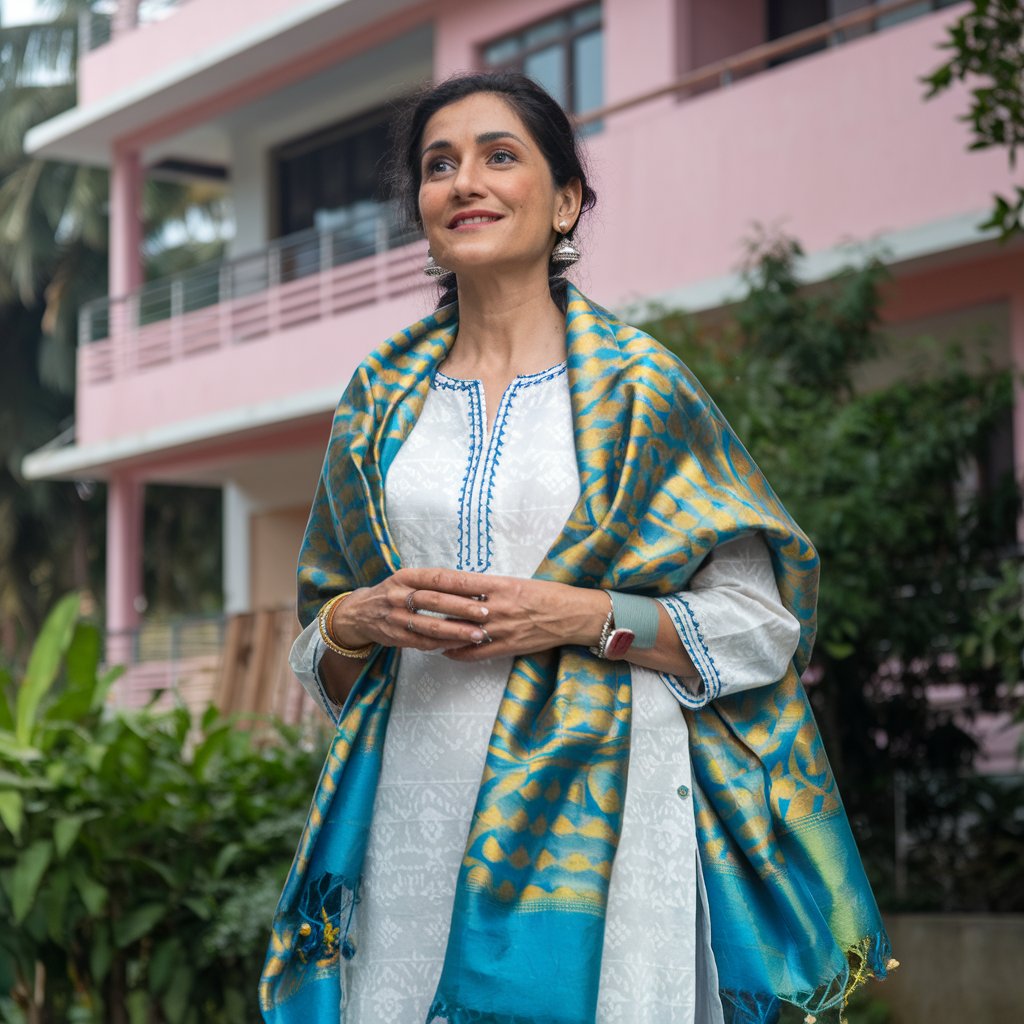
Interview participants primarily comprised of 5 busy individuals lacking the time to consistently prepare full Indian meals. Due to scheduling limitations, I conducted one in-depth video interview and supplemented it with email questionnaires from other participants

Key Insights
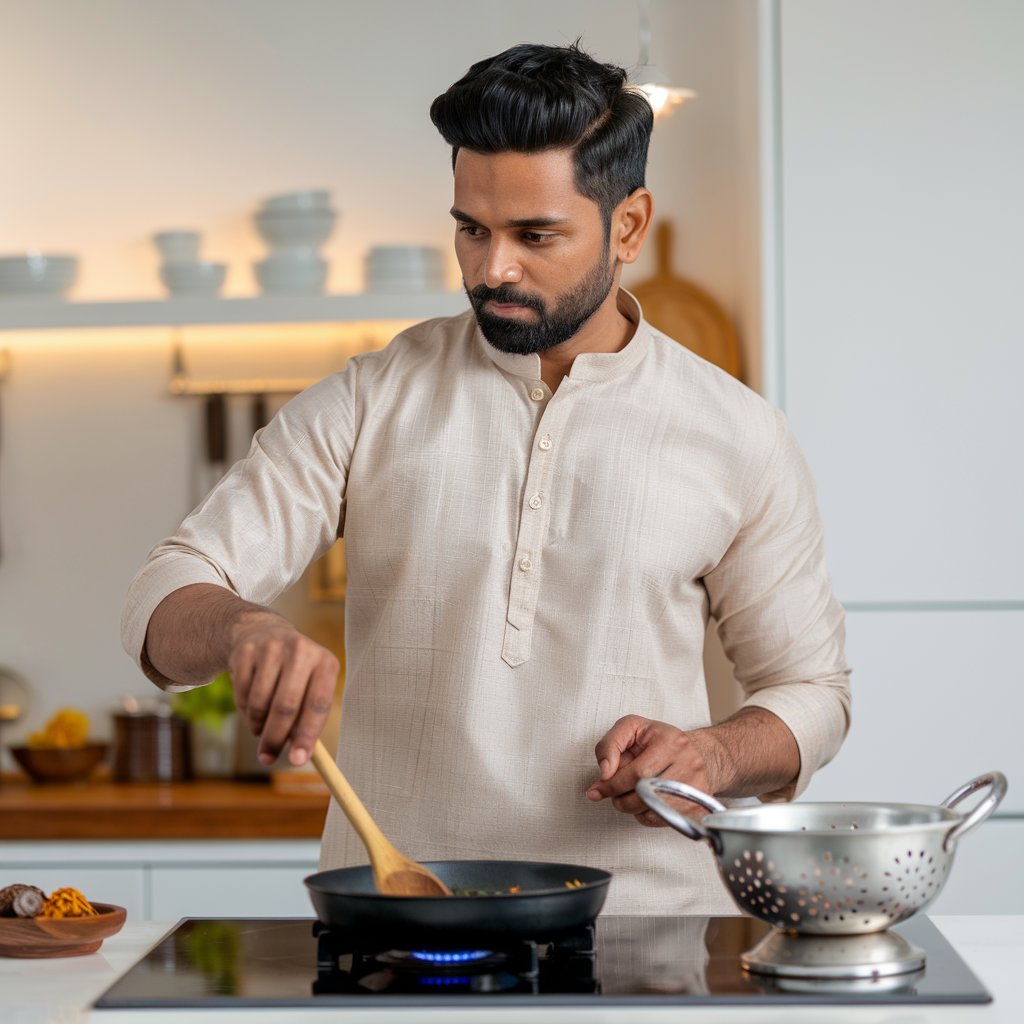
Healthy cooking for personal and family well-being, a preference for online learning resources, and a demand for clear and concise recipes
Participants prioritized easy-to-follow recipes, accessible ingredients, and time-efficient cooking methods
Inconsistency in recipes for the same dish was a common frustration
Target Audience
To understand my target audience, I developed user personas based on insights from interviews and affinity mapping
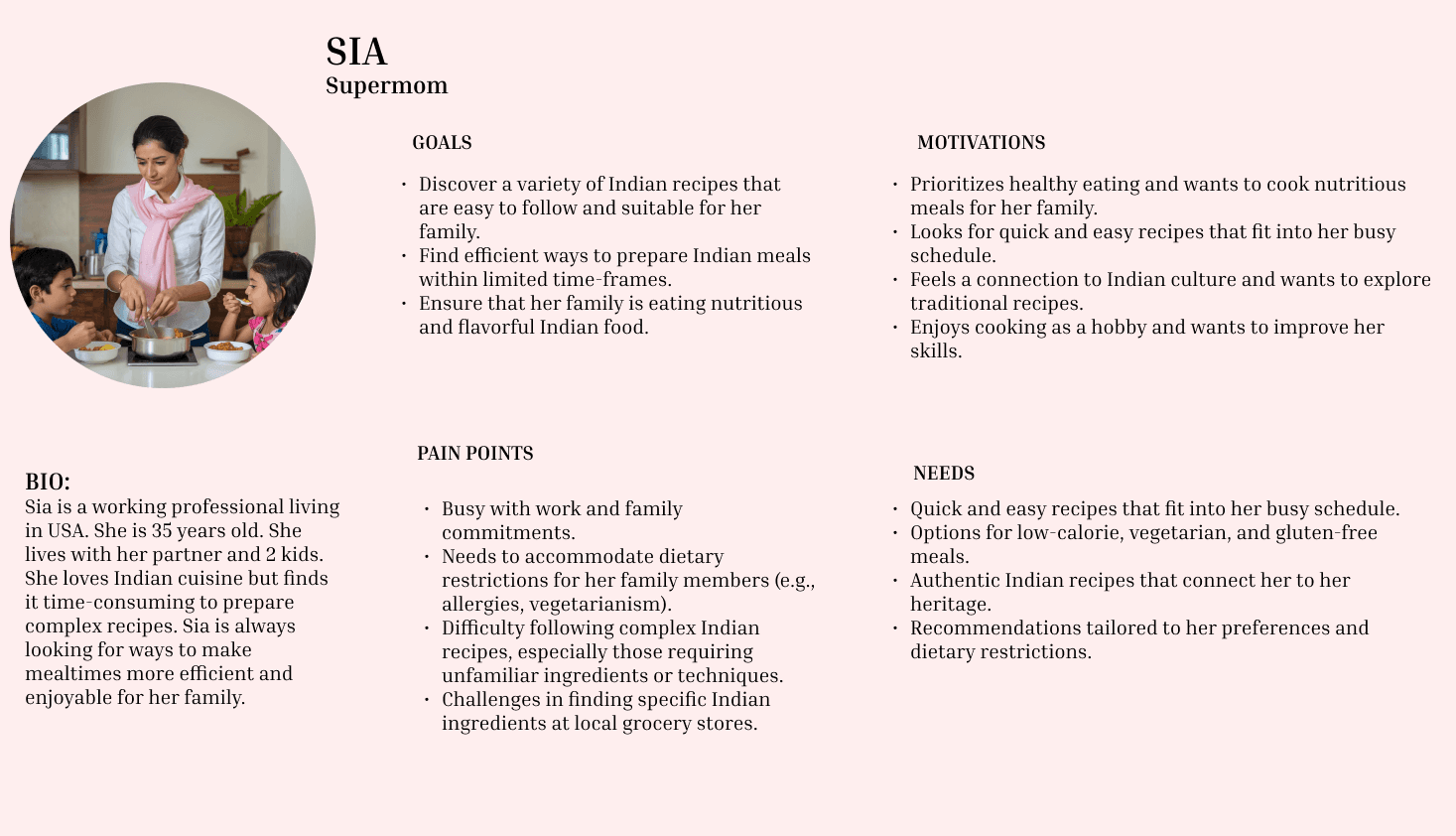
Persona analysis revealed key user pain points, needs, and requirements, informing our solution ideation process
Ideation Process
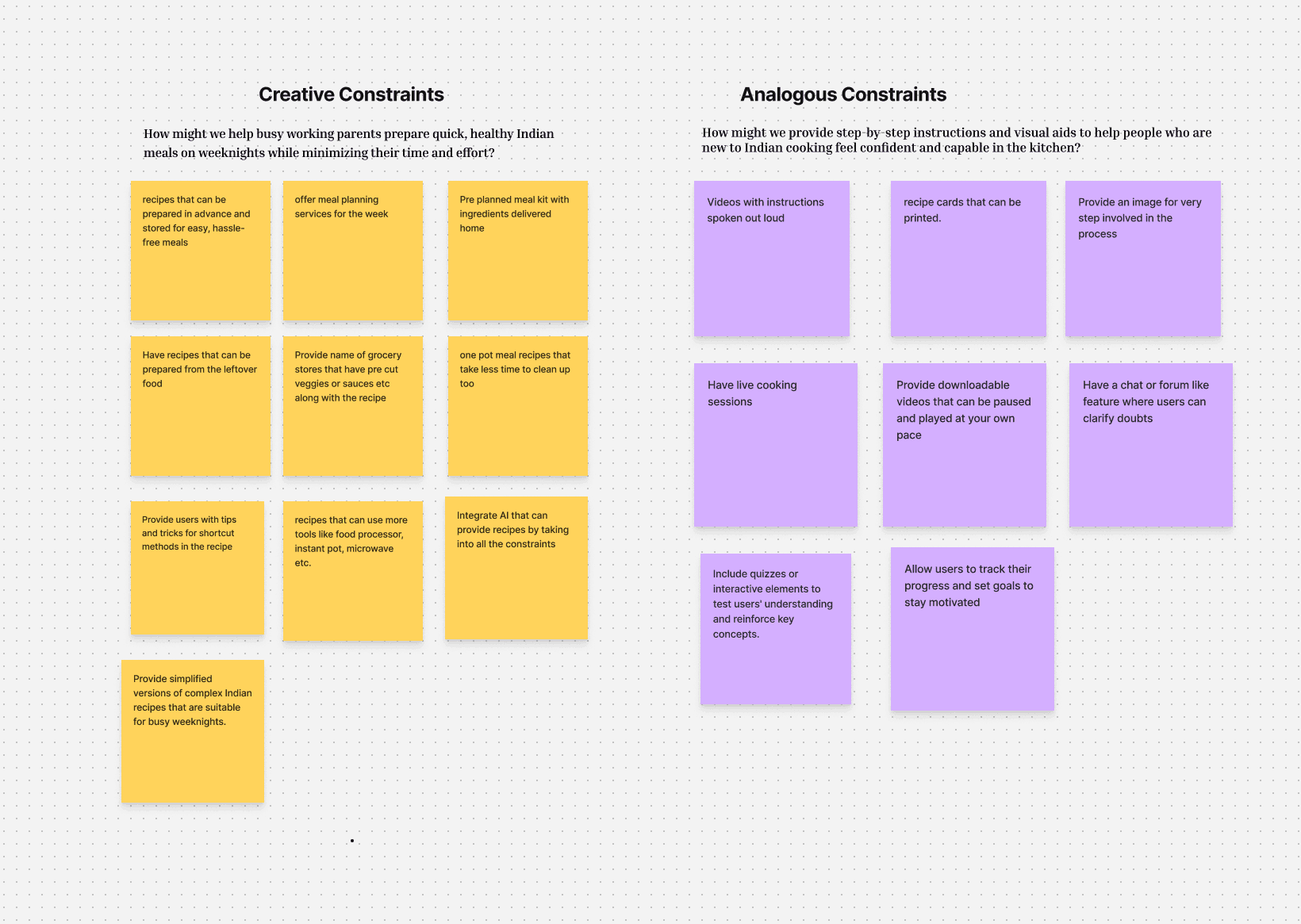
Based on user interviews, persona development, and thorough research, the brainstorming session yielded several impactful ideas
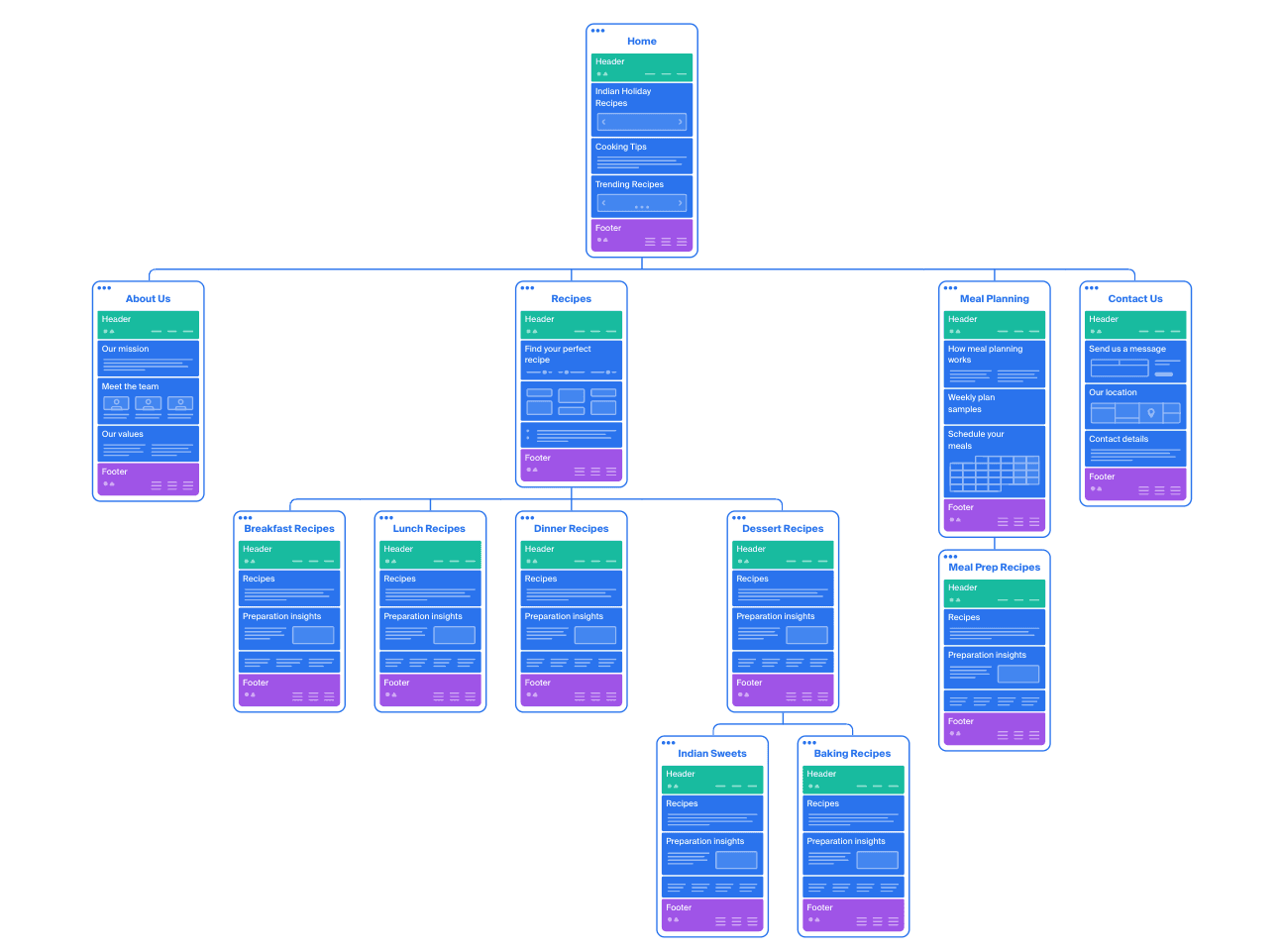
Based on the finalized ideas, I developed the following sitemap:
User Flows & Task Flows
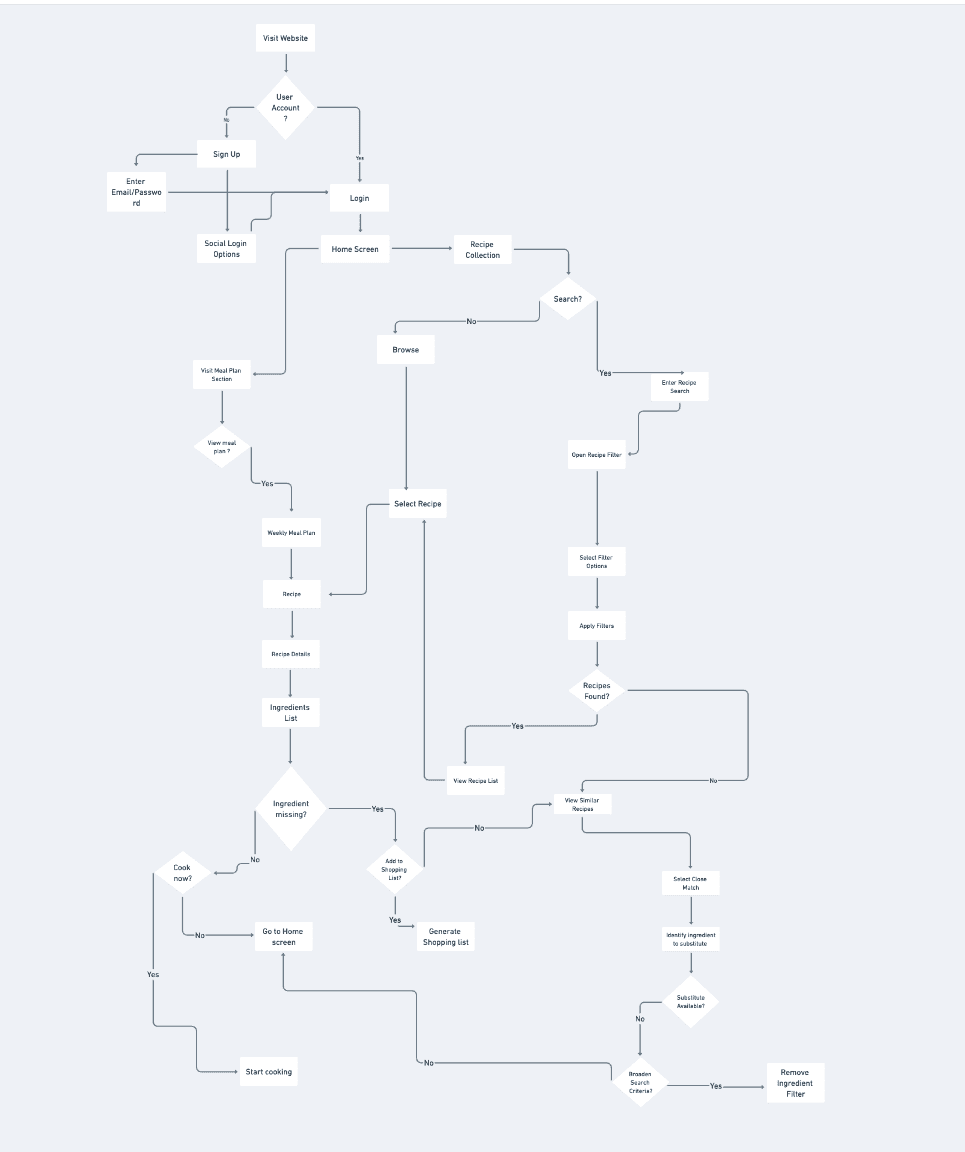
User flows helped me map out the typical path a user would take to reach the end goal
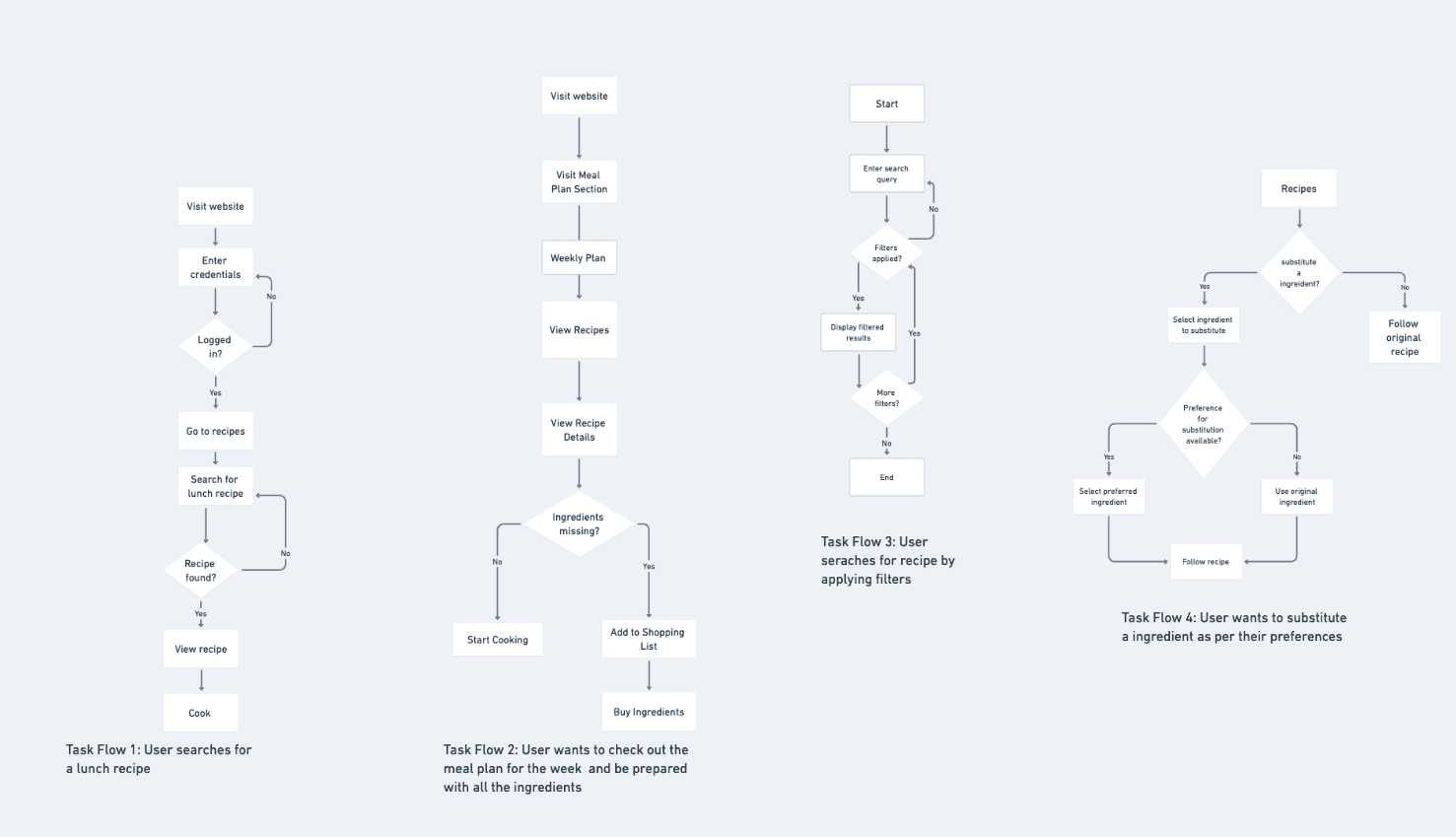
Task flows were instrumental in identifying and addressing any business or technical requirements overlooked during the user flow creation process
Design
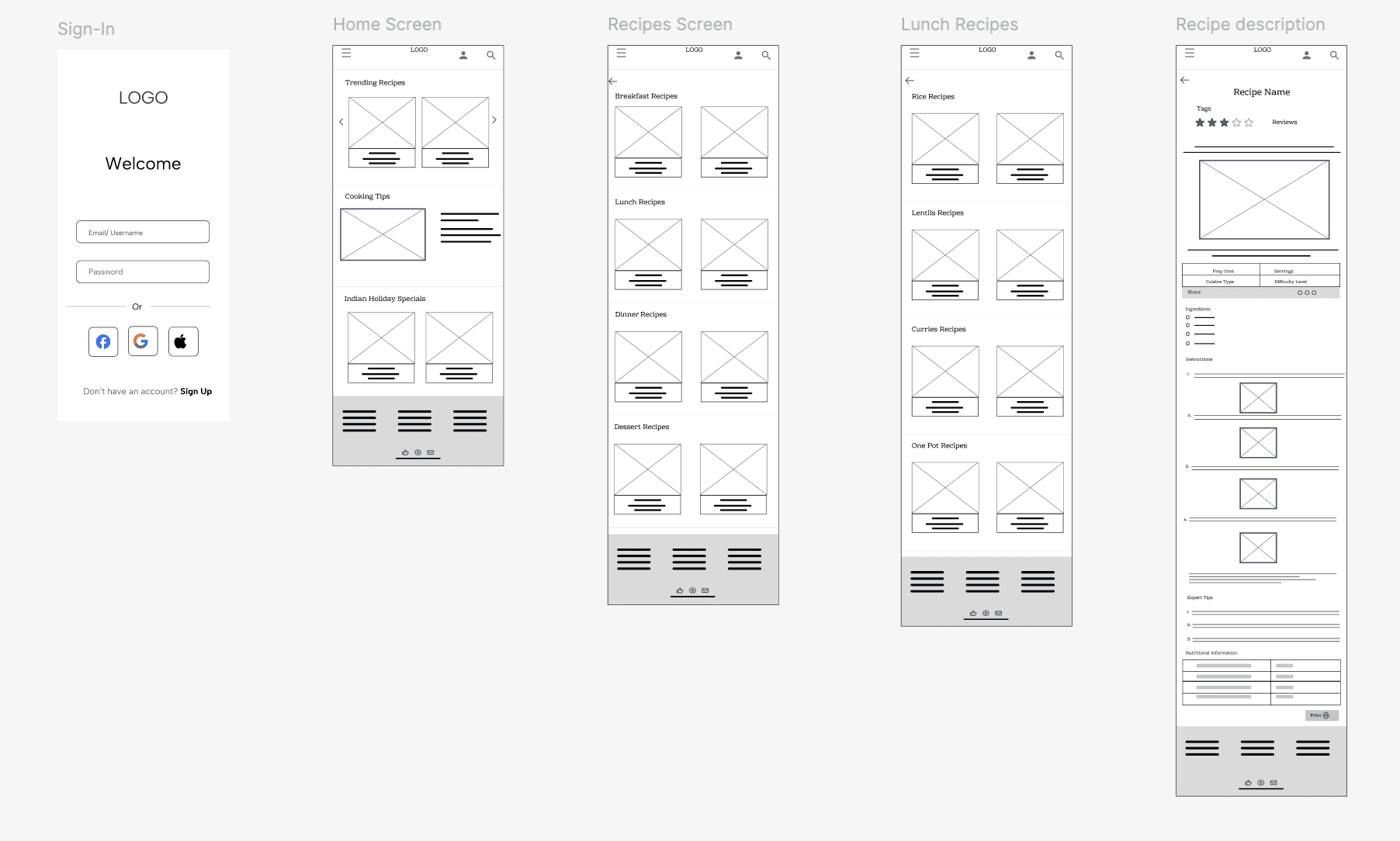
Following the development of user and task flows, I proceeded to create low-fidelity wireframes
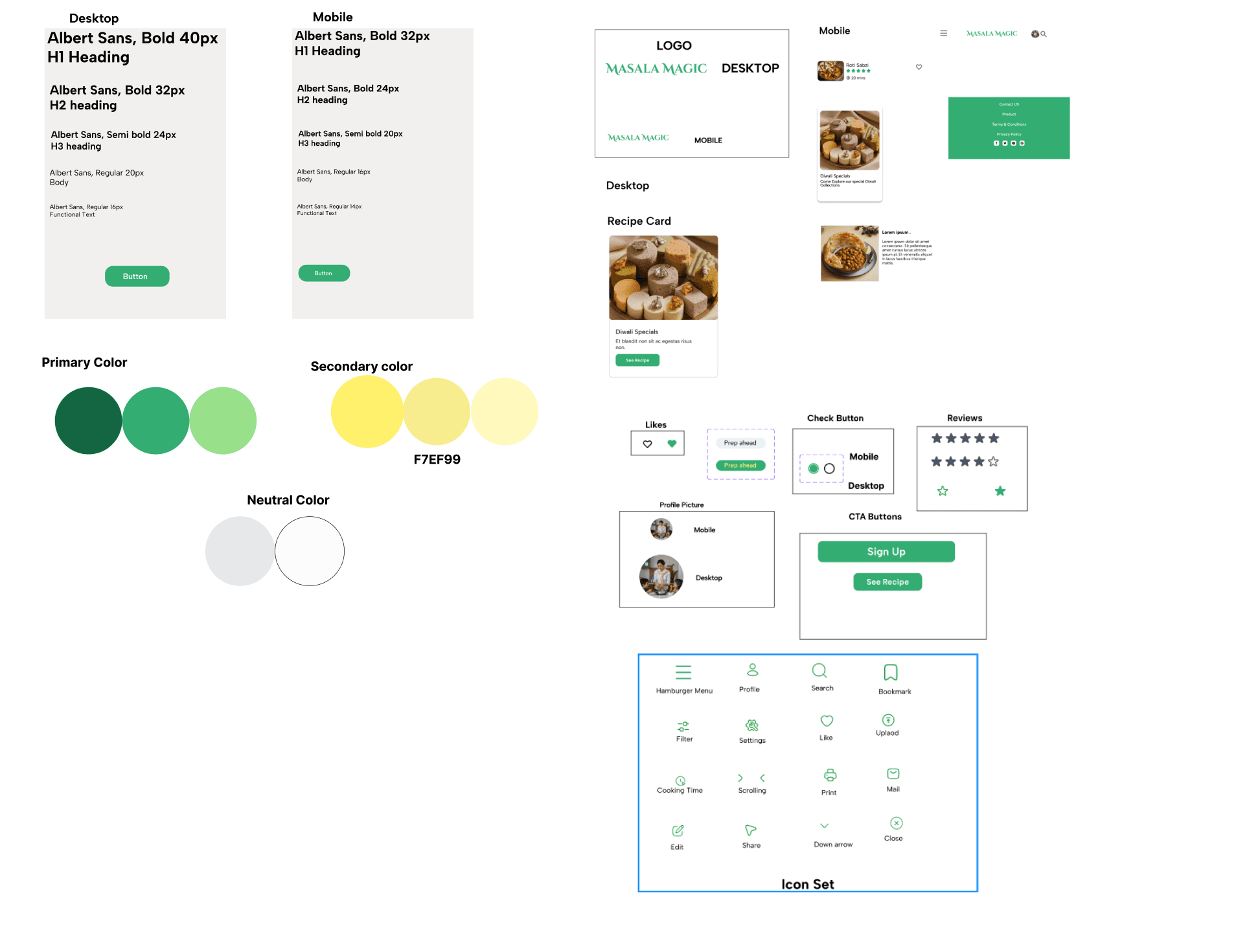
The next phase involved developing a comprehensive design system for the interface
Designing the interface began with sketching the lo-fidelity wireframes
High Fidelity wireframes
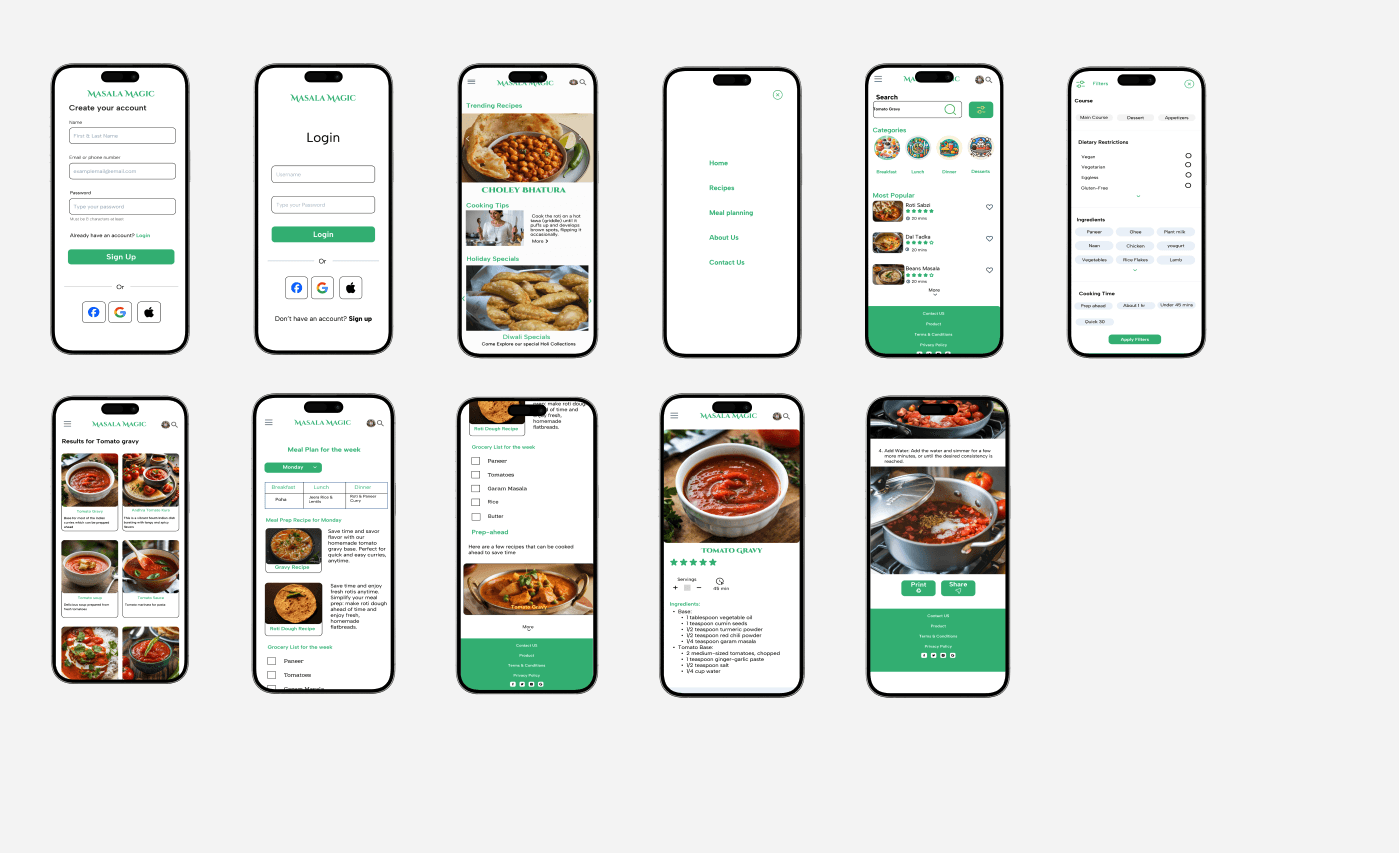
First iteration of high fidelity wireframes
Usability Testing
Three tasks were assigned to users during the usability session
Task 1
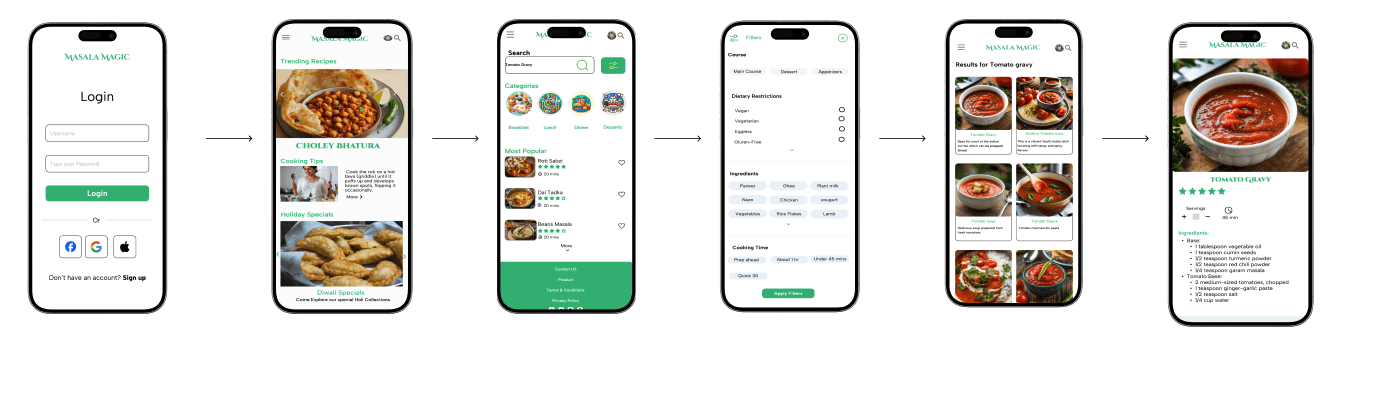
Task 2
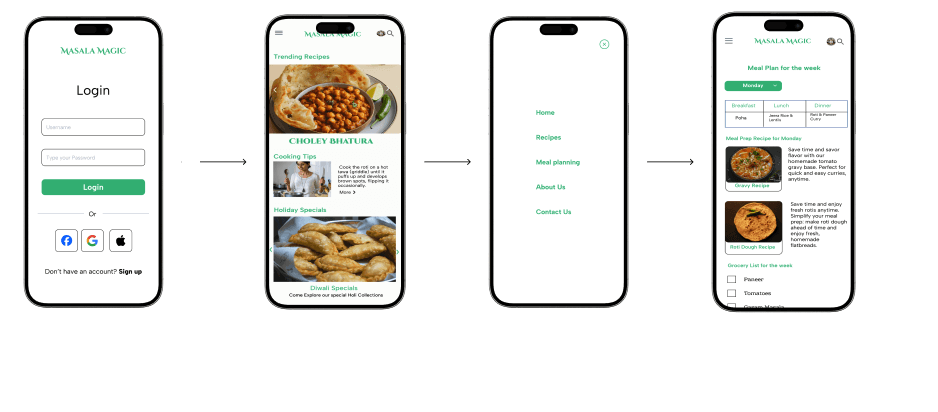
Results
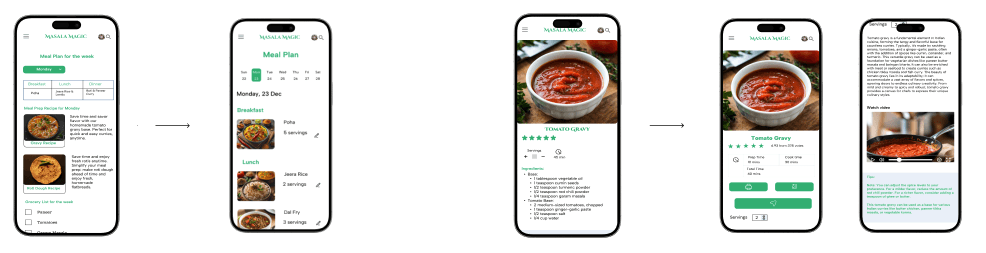
The Home screen needed significant aesthetic revisions. The typography and image placement felt off.
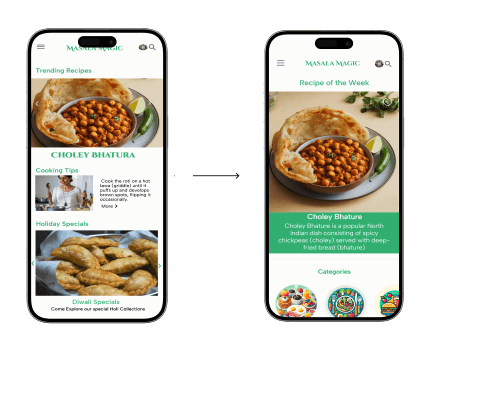
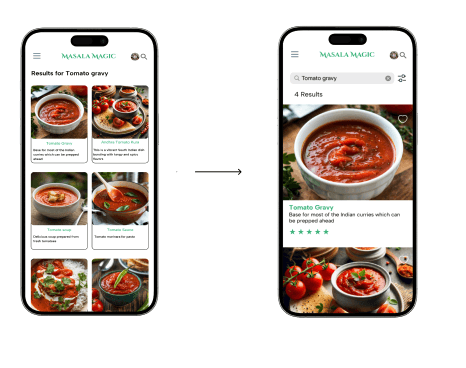
Users expressed a preference for applying filters after the initial search to refine the obtained results.
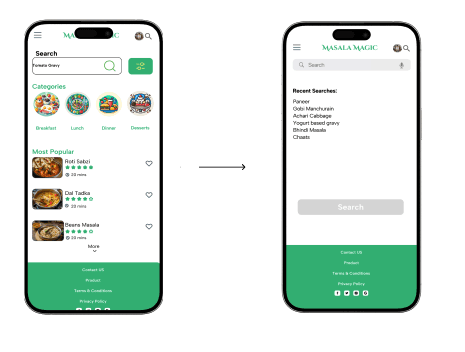
Participants indicated that video instructions were necessary for more detailed guidance, so a video player was added
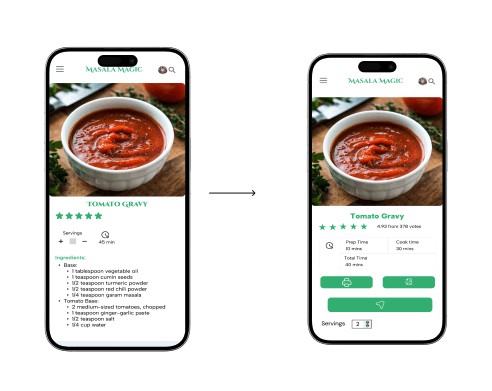
I gained valuable insights, both aesthetic and functional, from the feedback received.
I determined my design's measure of success by:
Conducting usability testing with diverse users, measuring task completion rates, time on task, and satisfaction through surveys and interviews
Tracking key metrics like error rates, task completion rates, and user satisfaction scores. These metrics helped me understand how easy and efficient my design was to use.
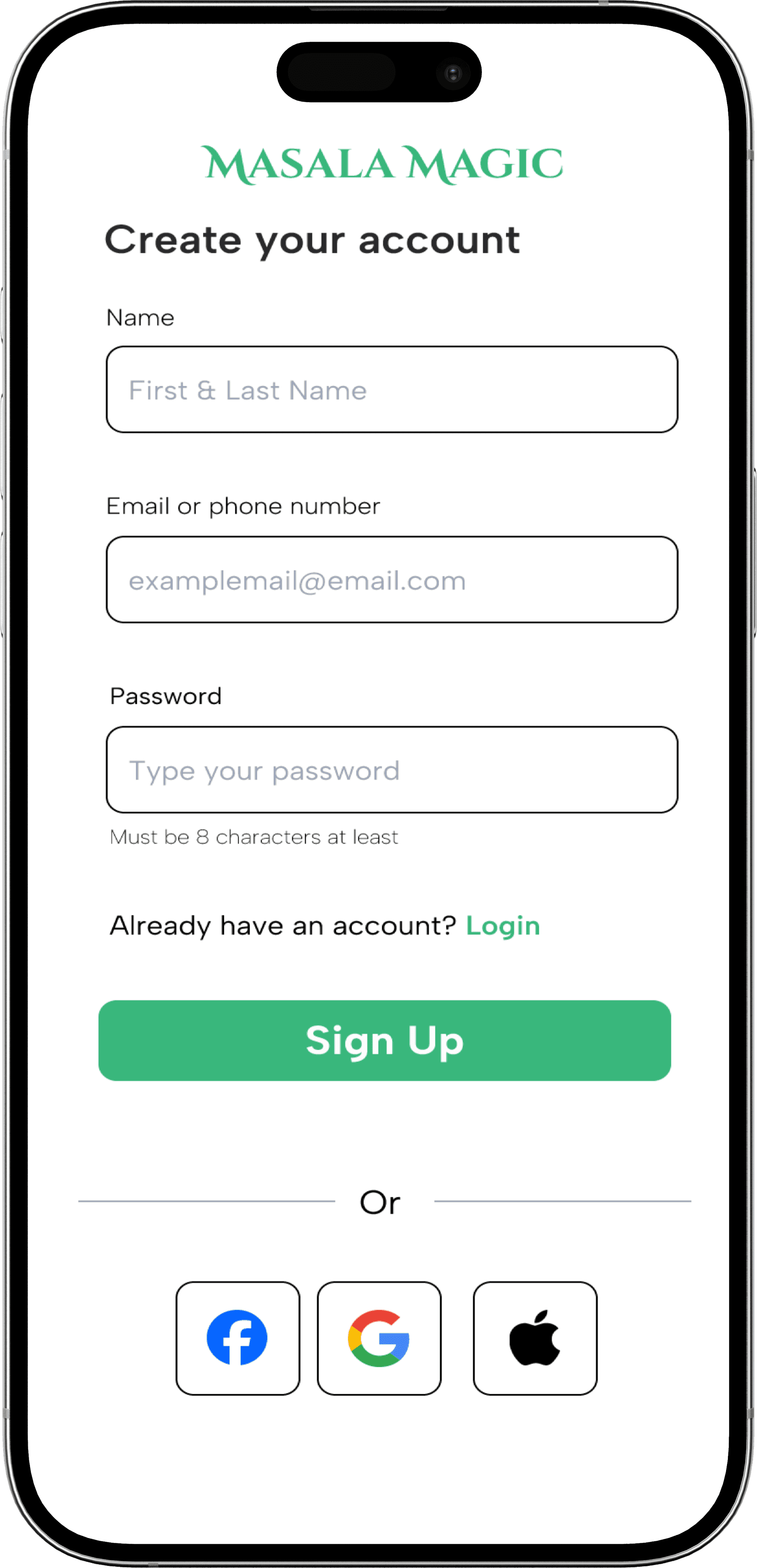
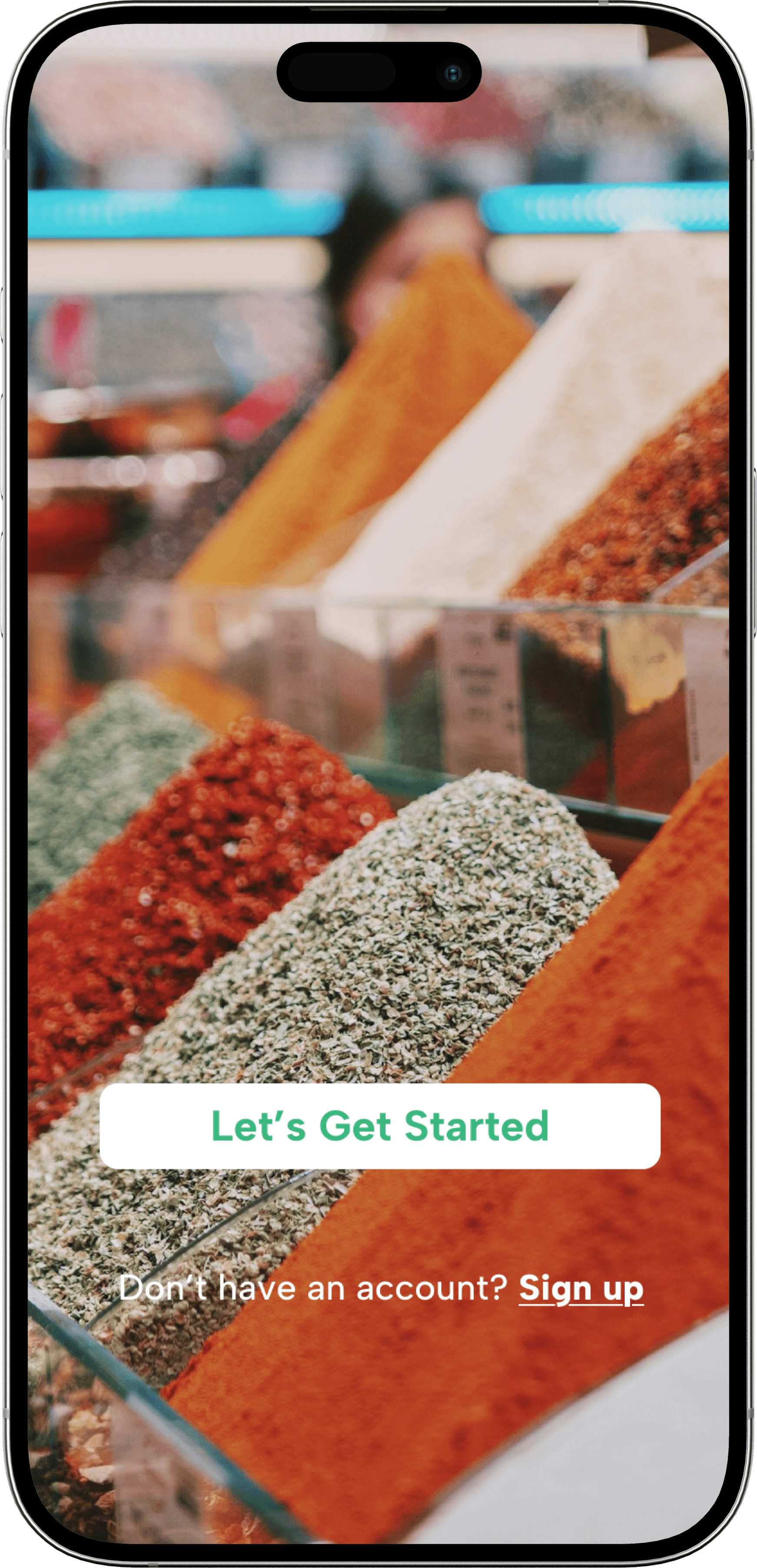
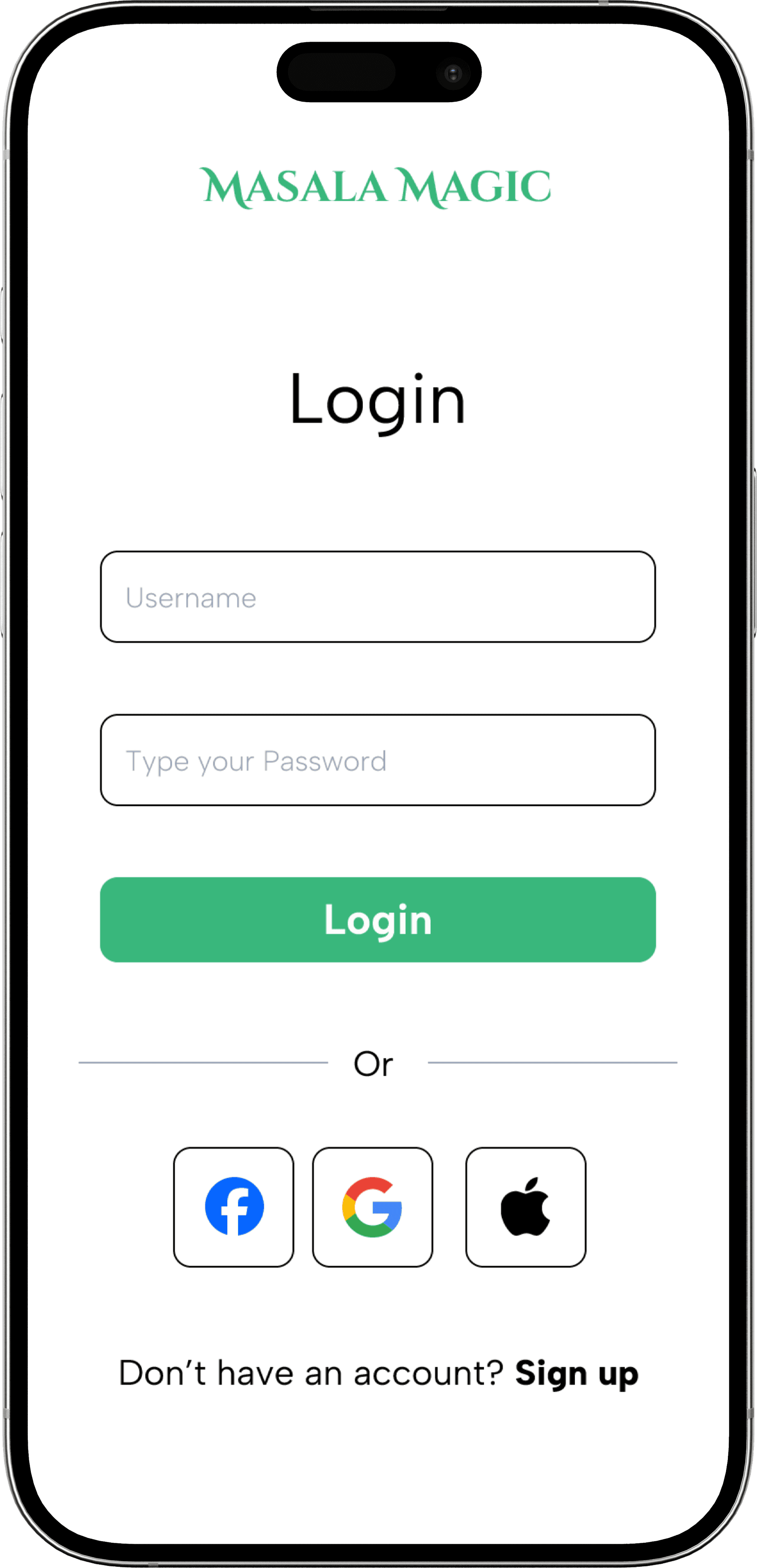
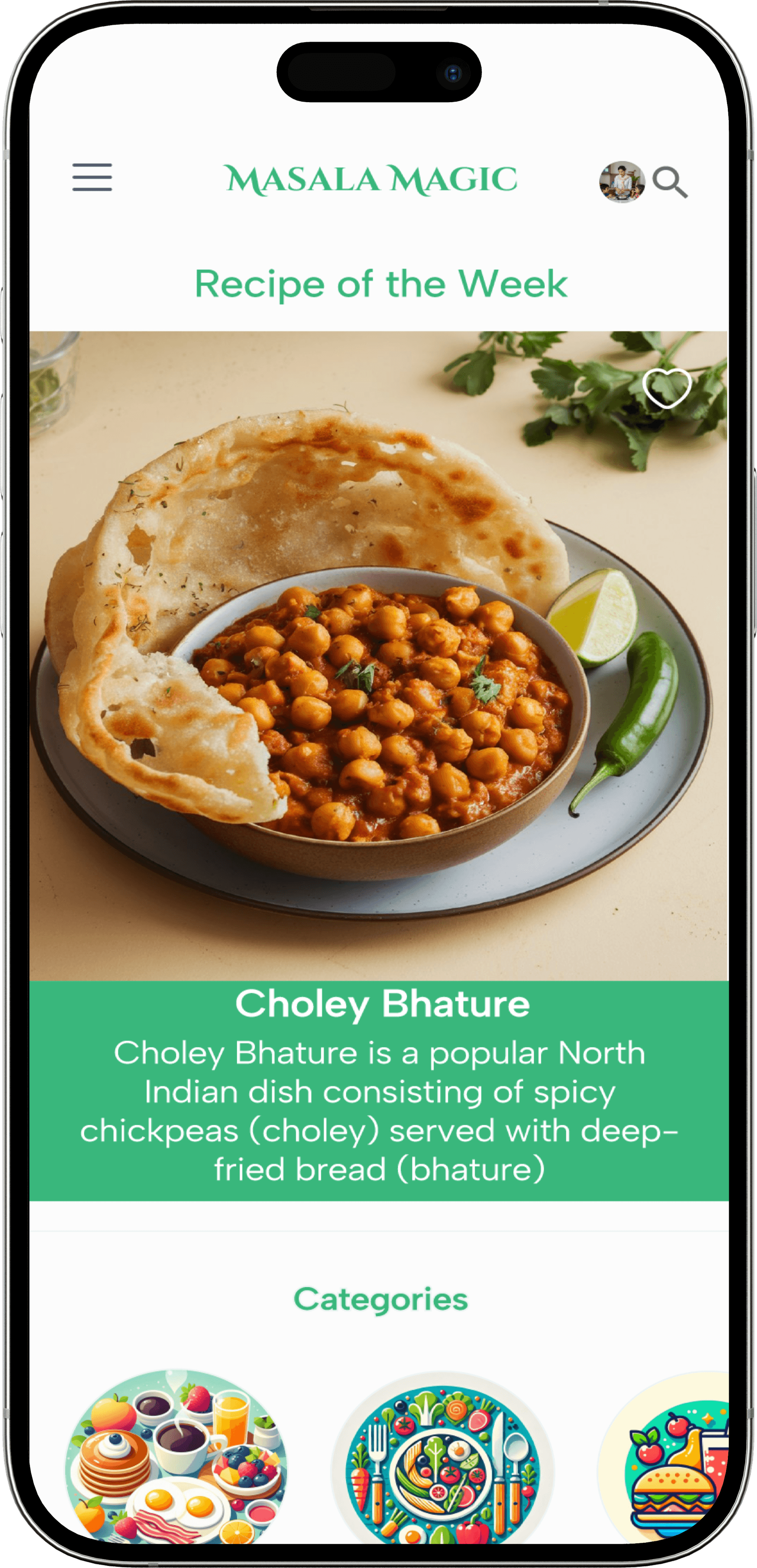
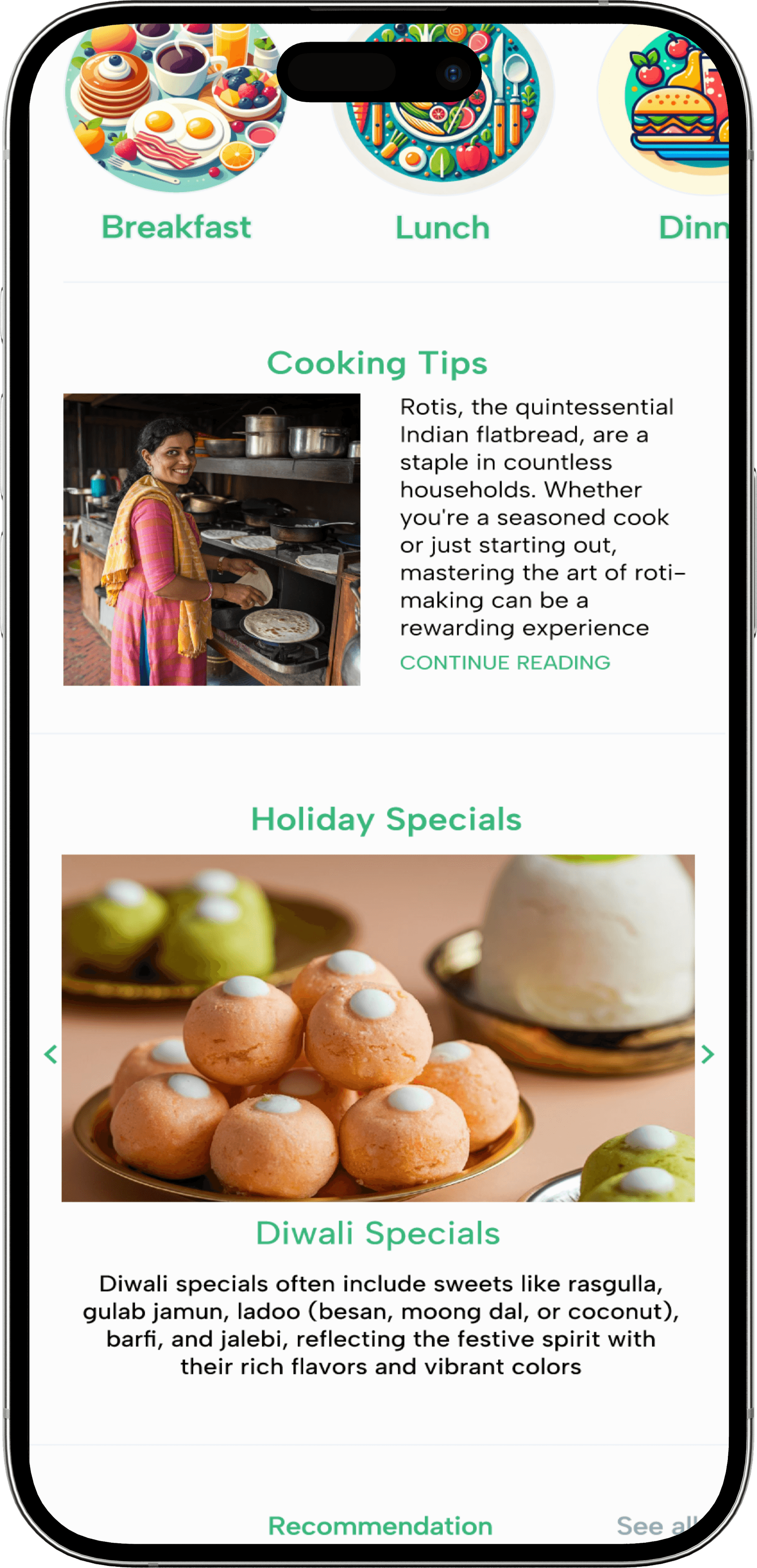
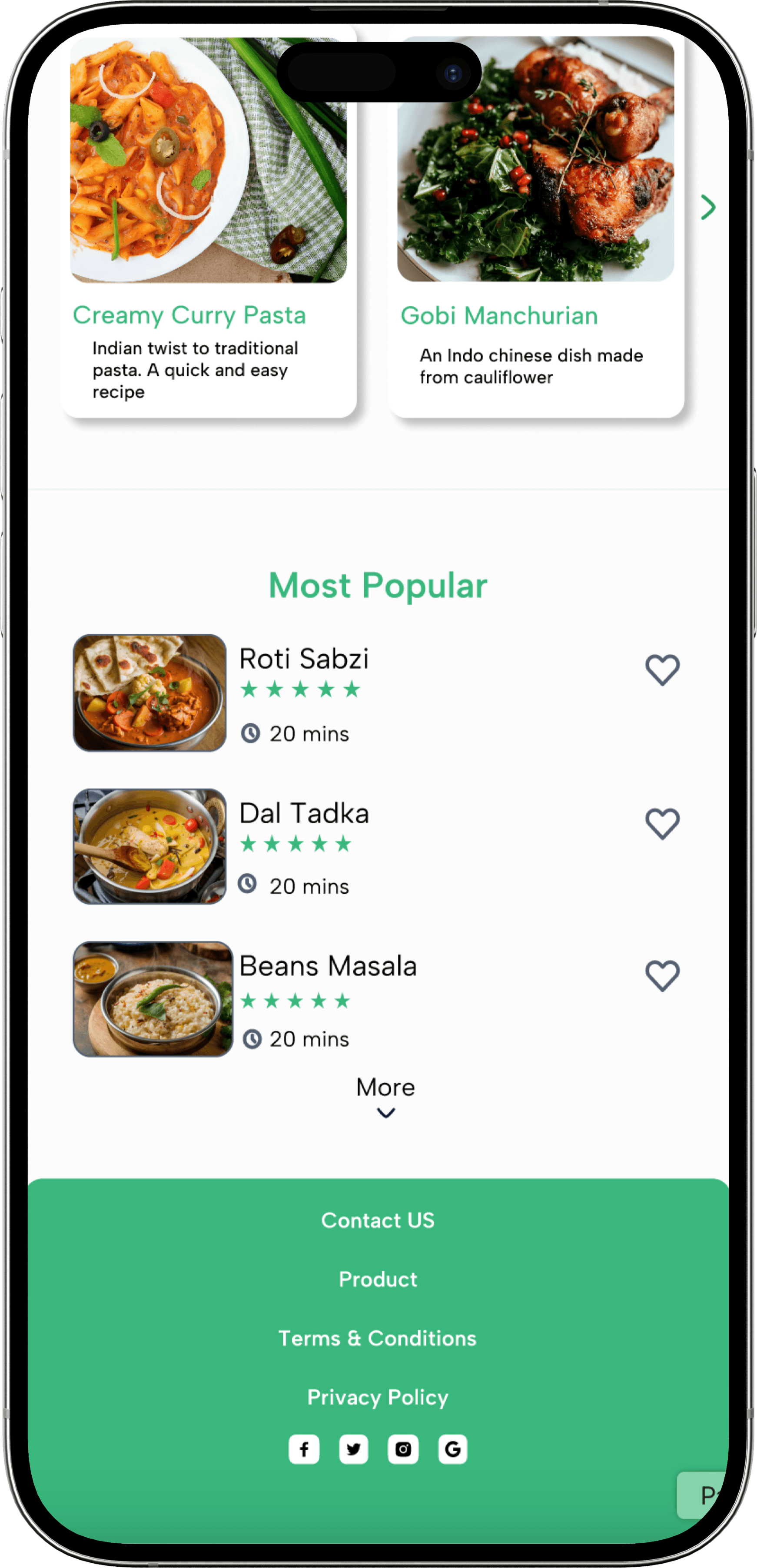
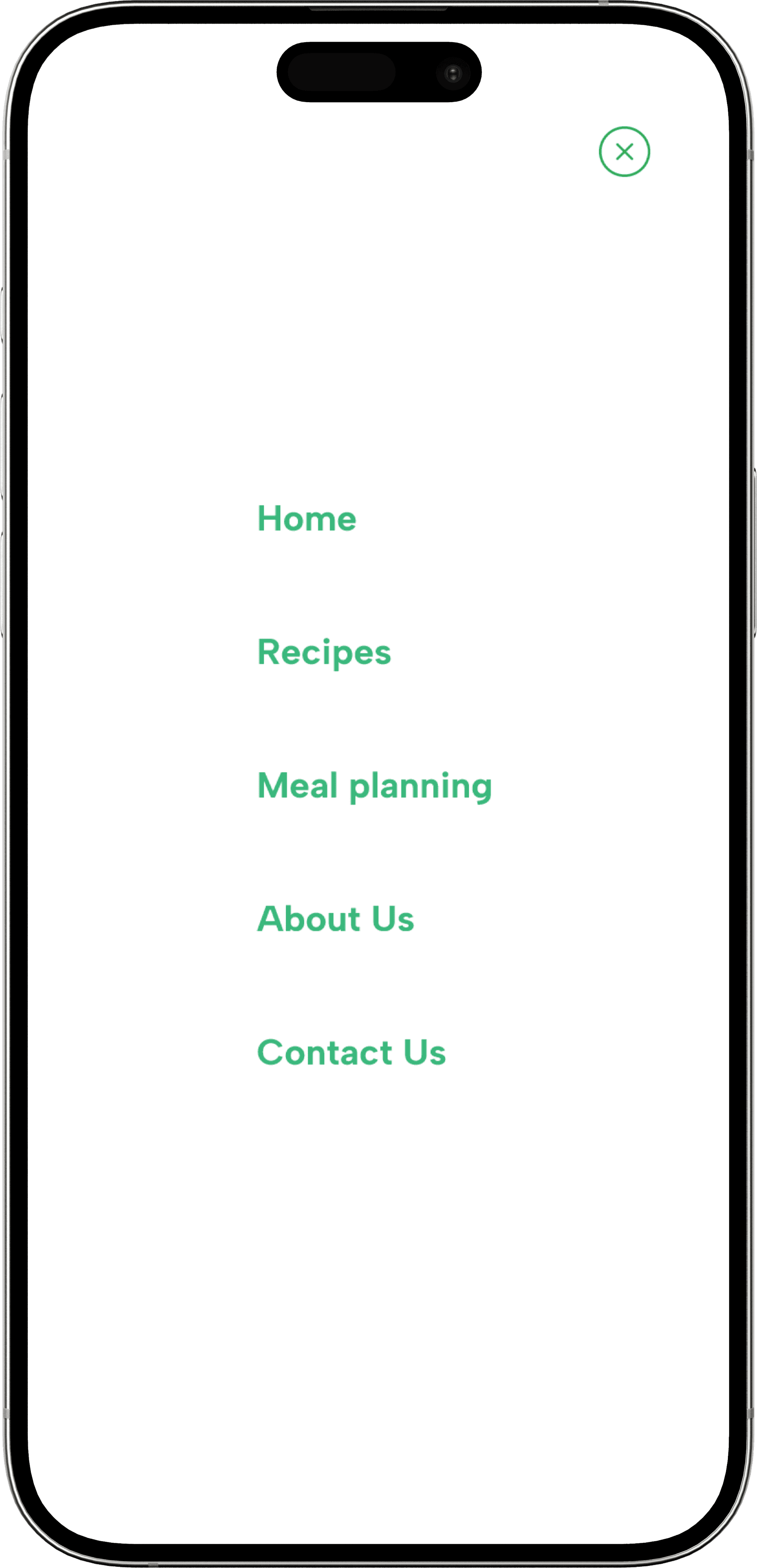
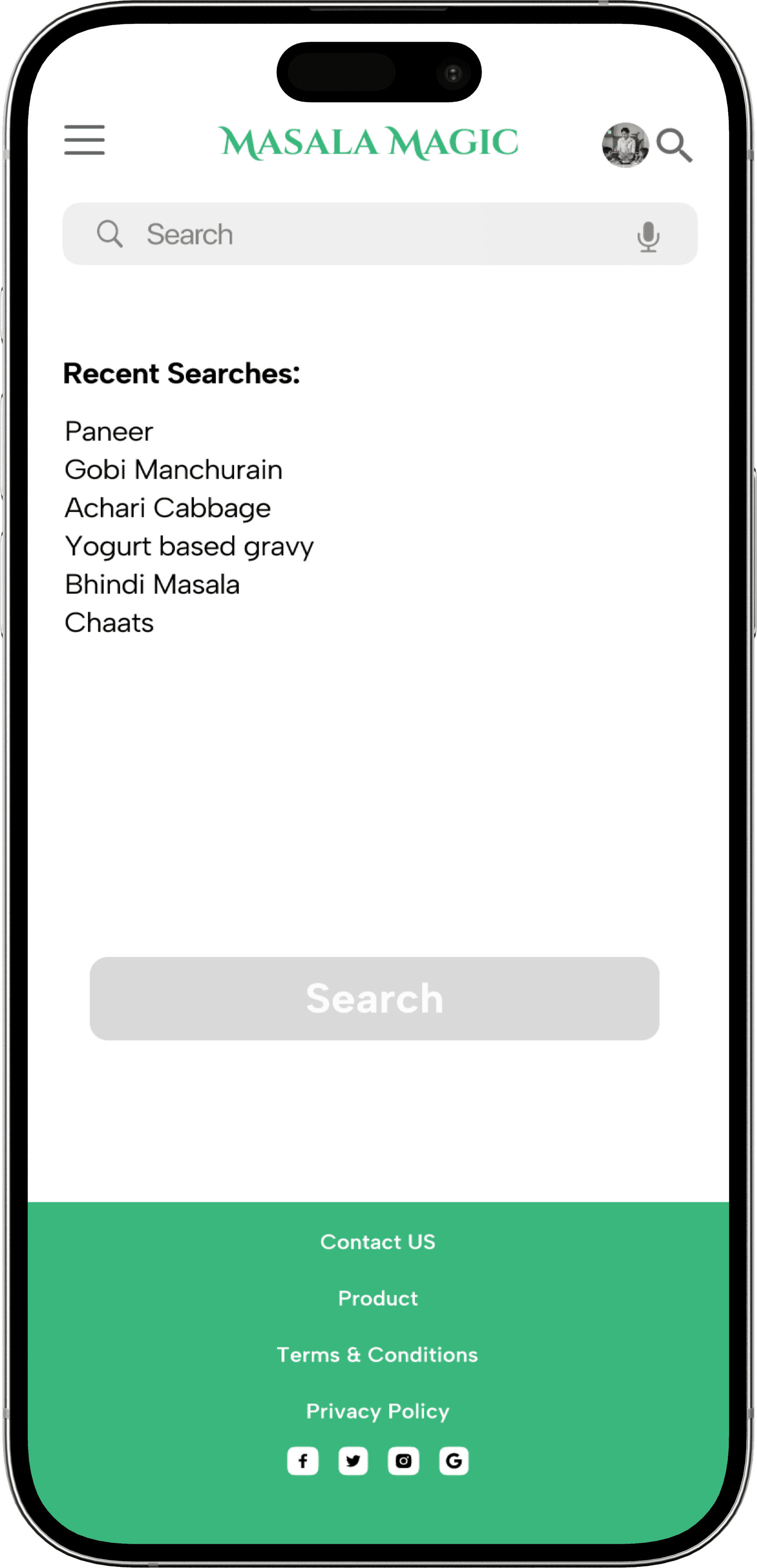
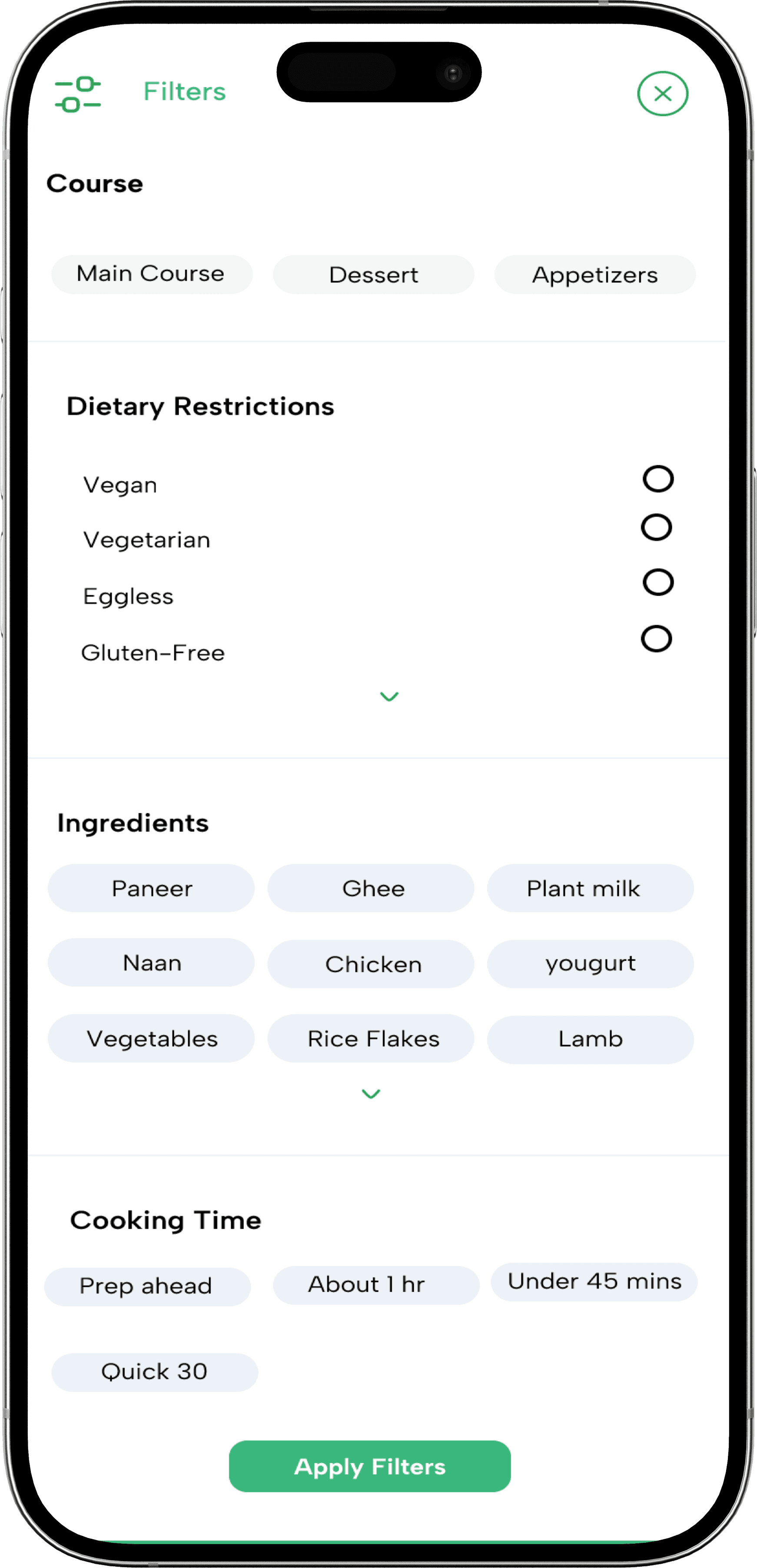
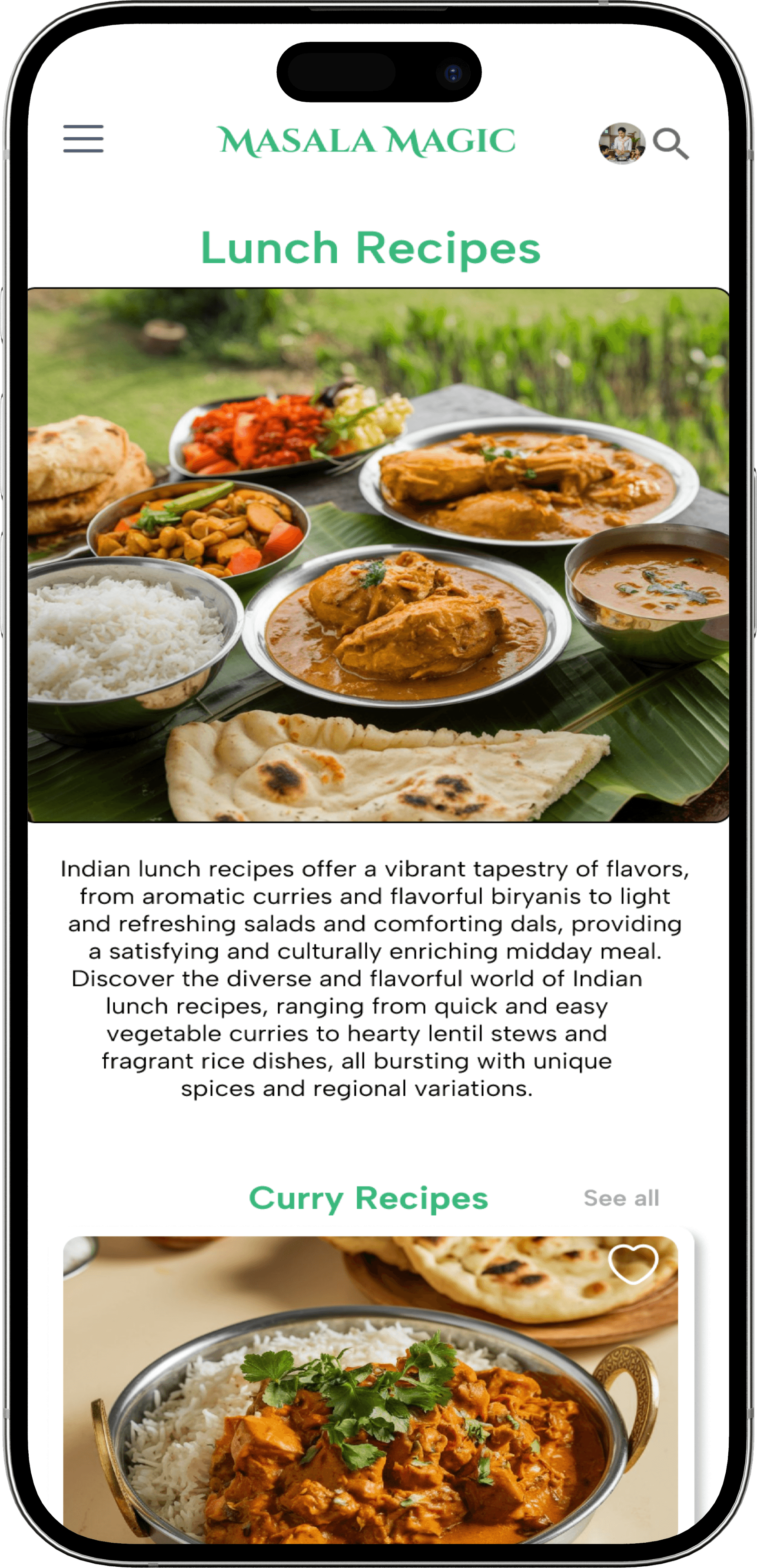

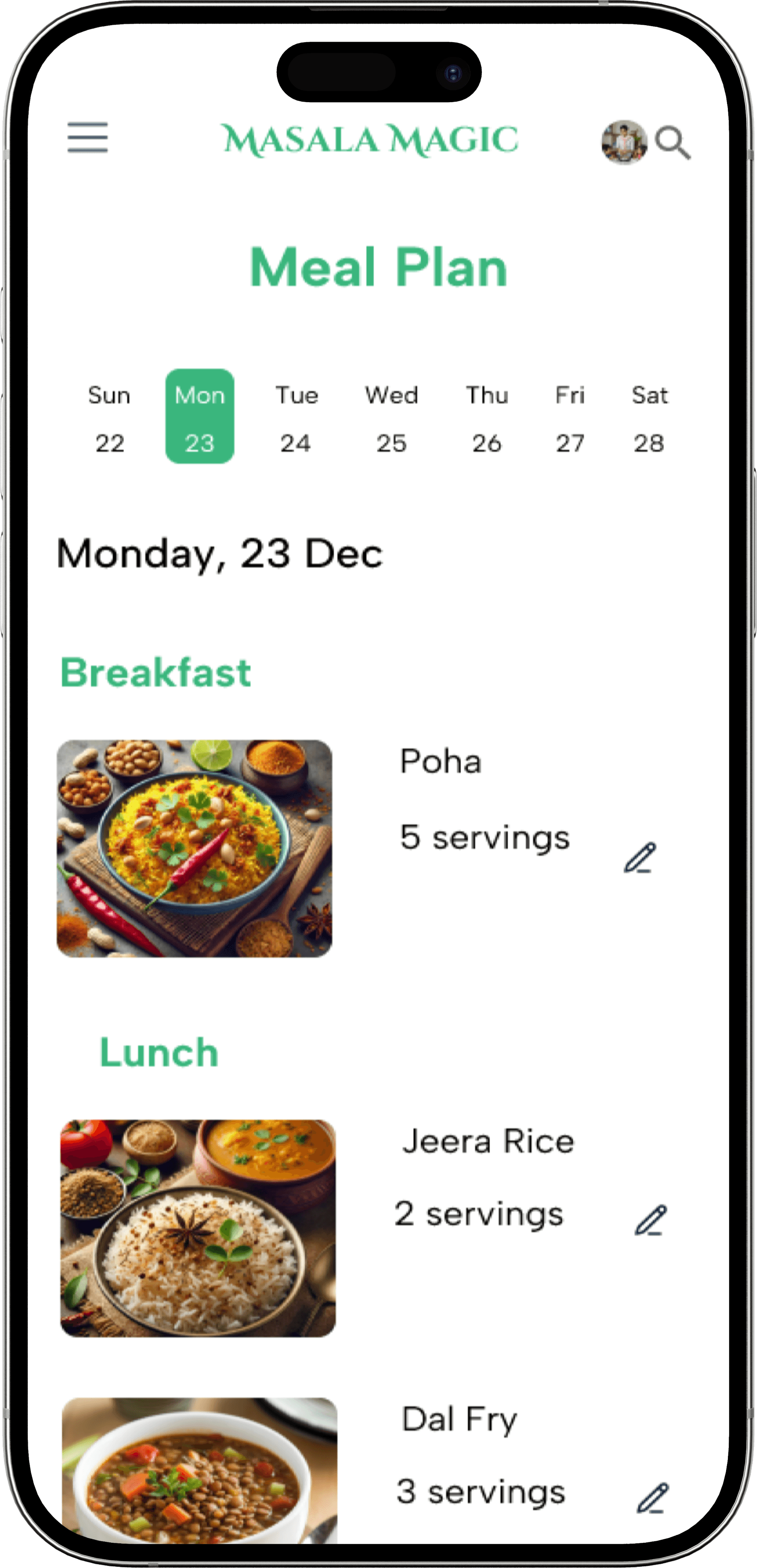
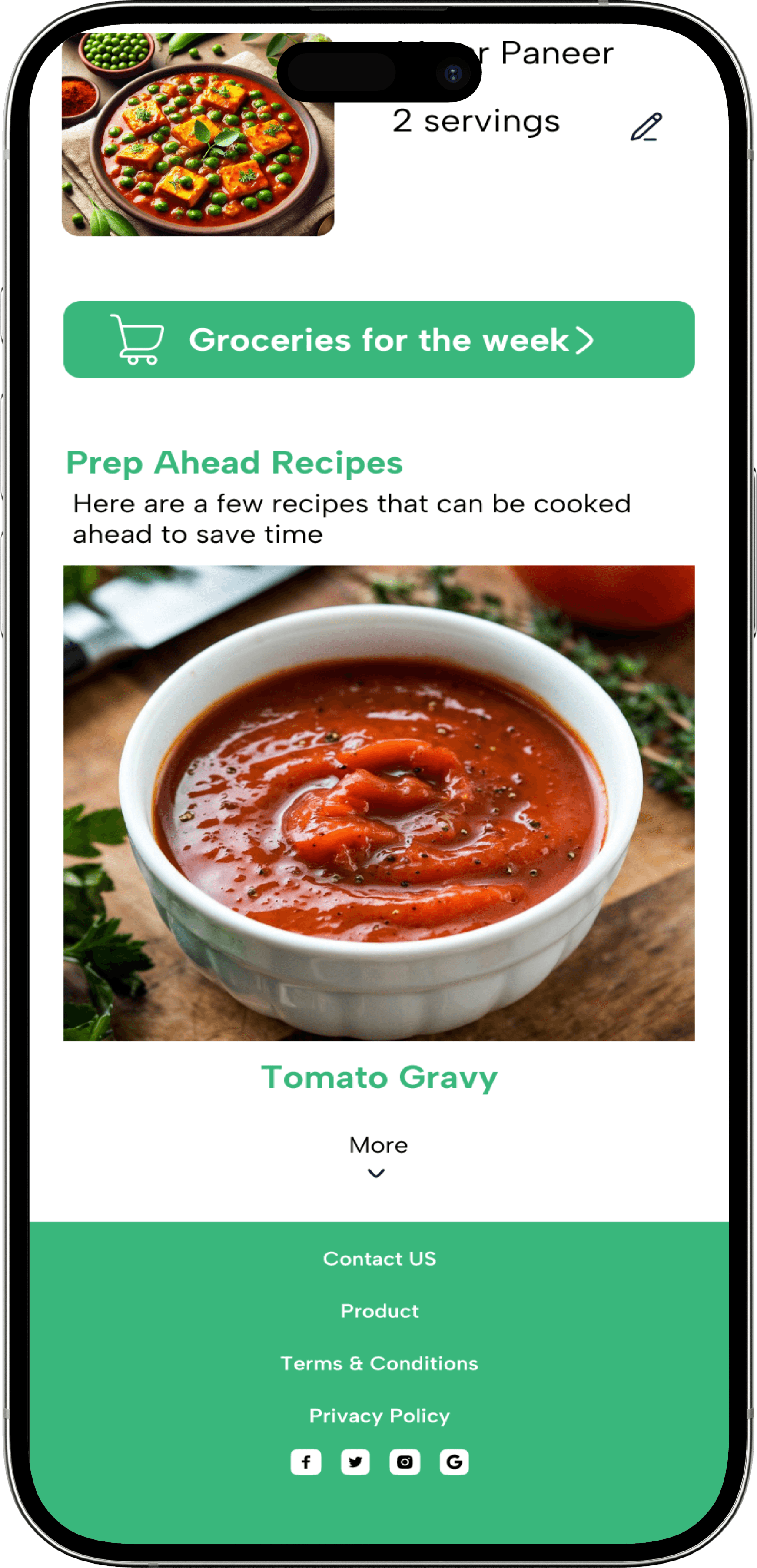
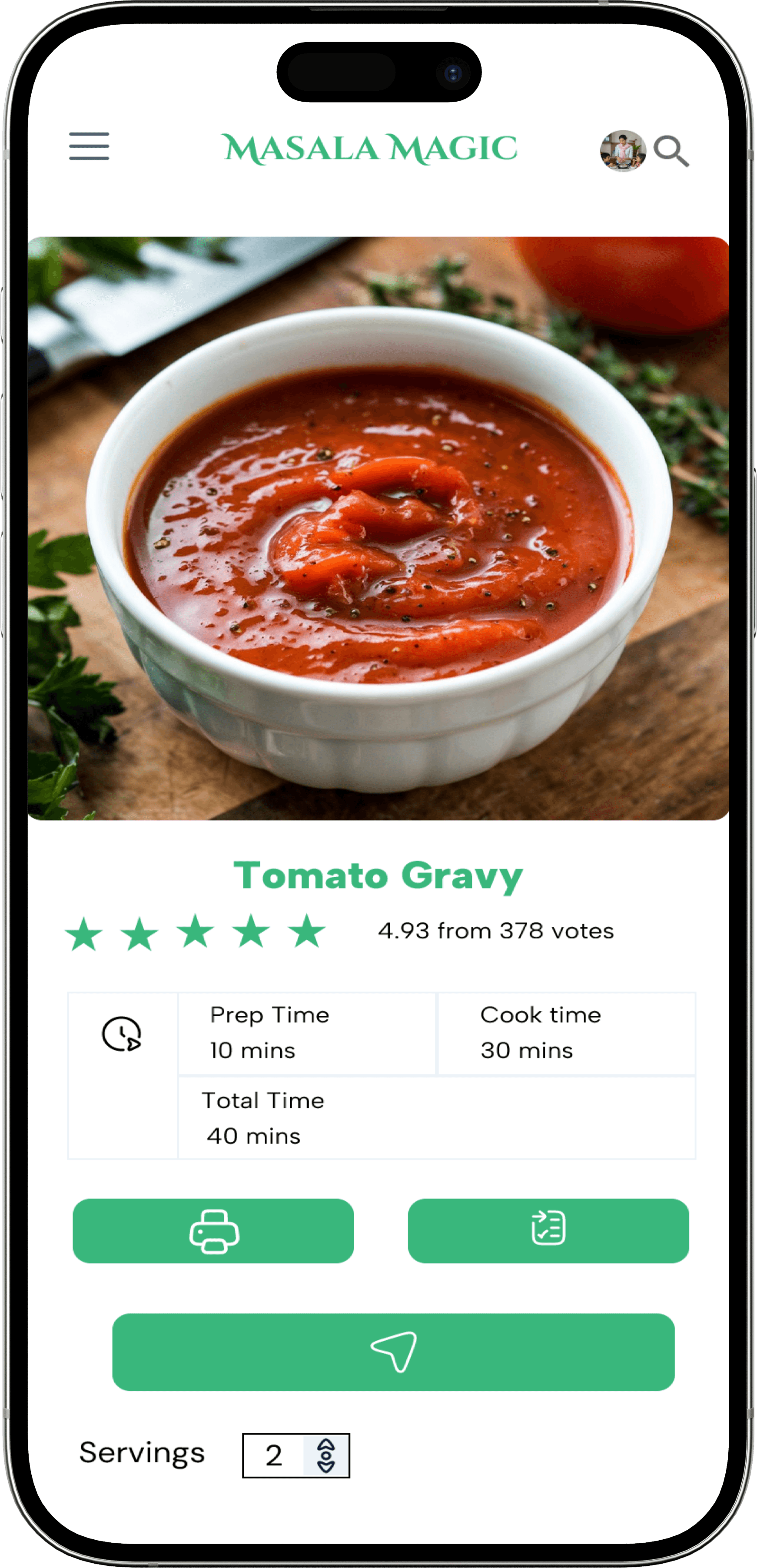
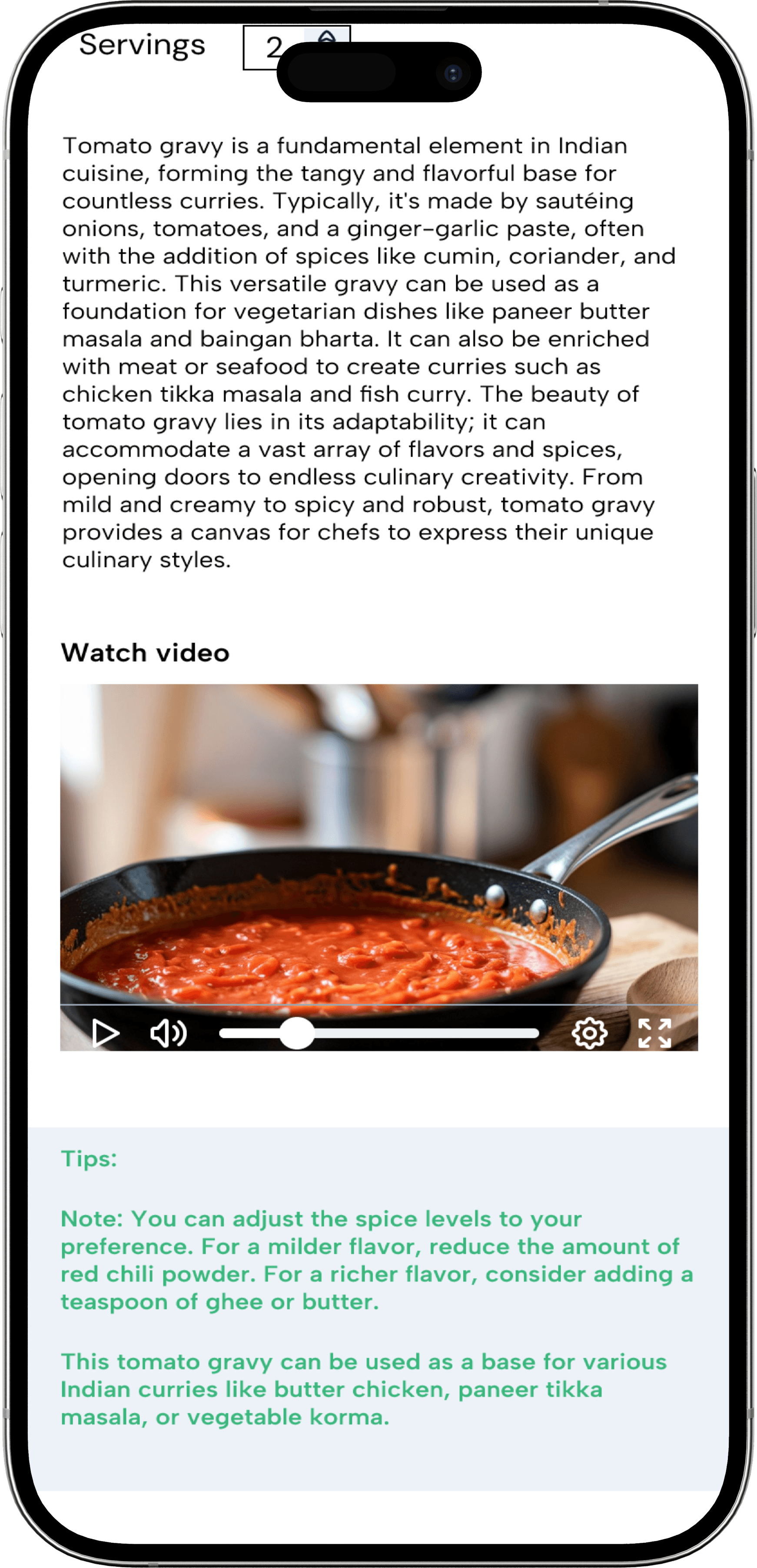
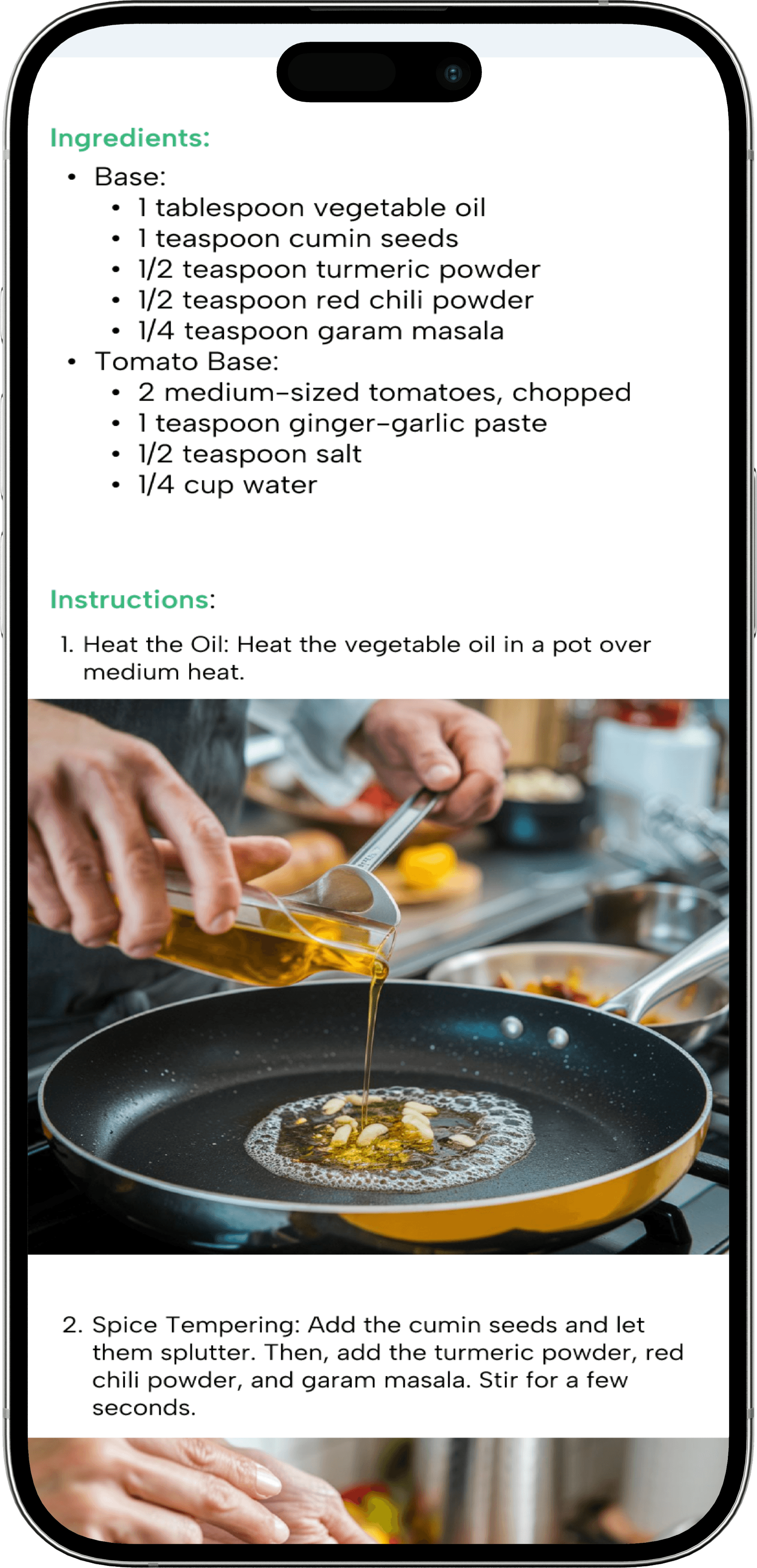
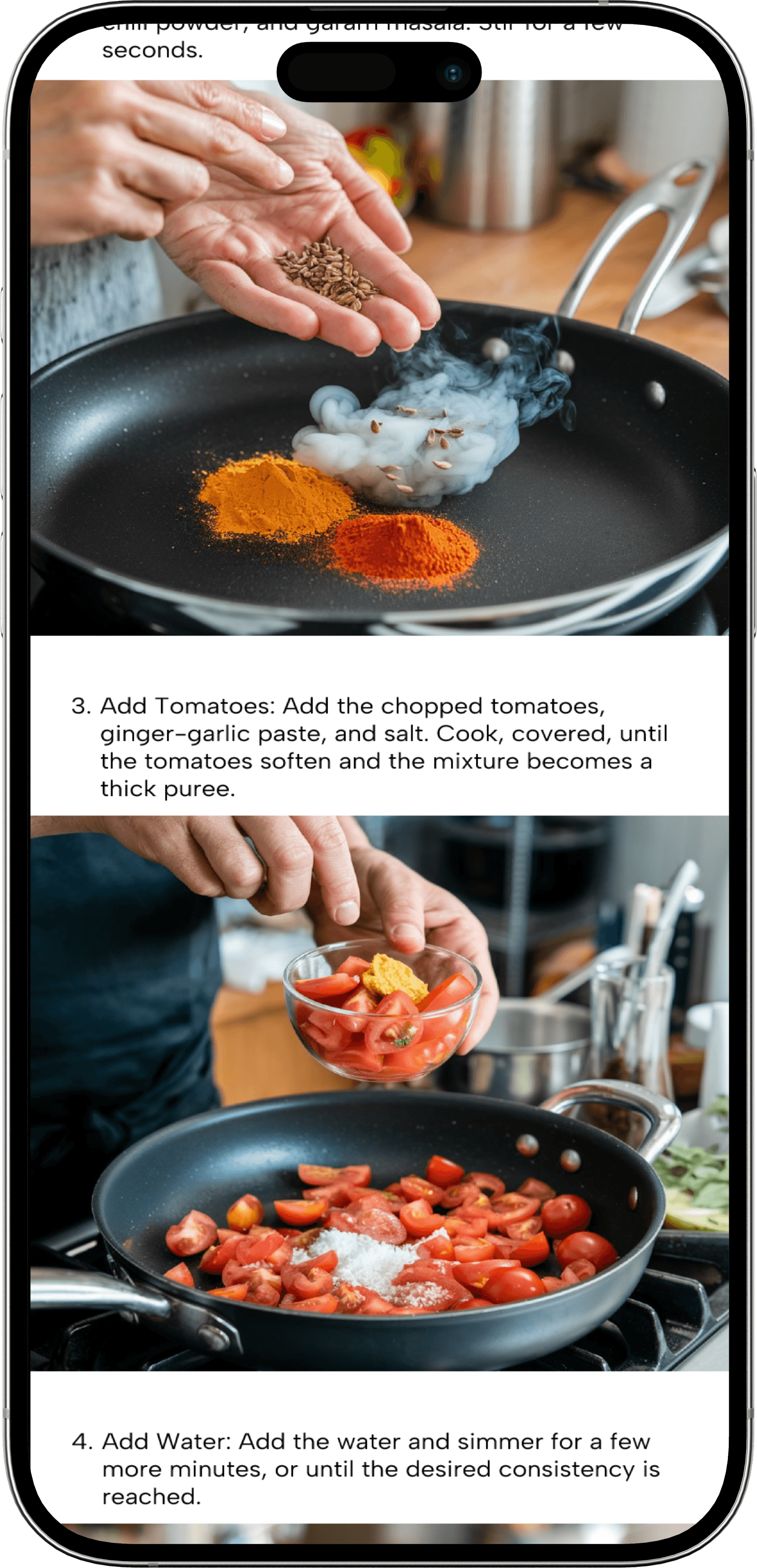
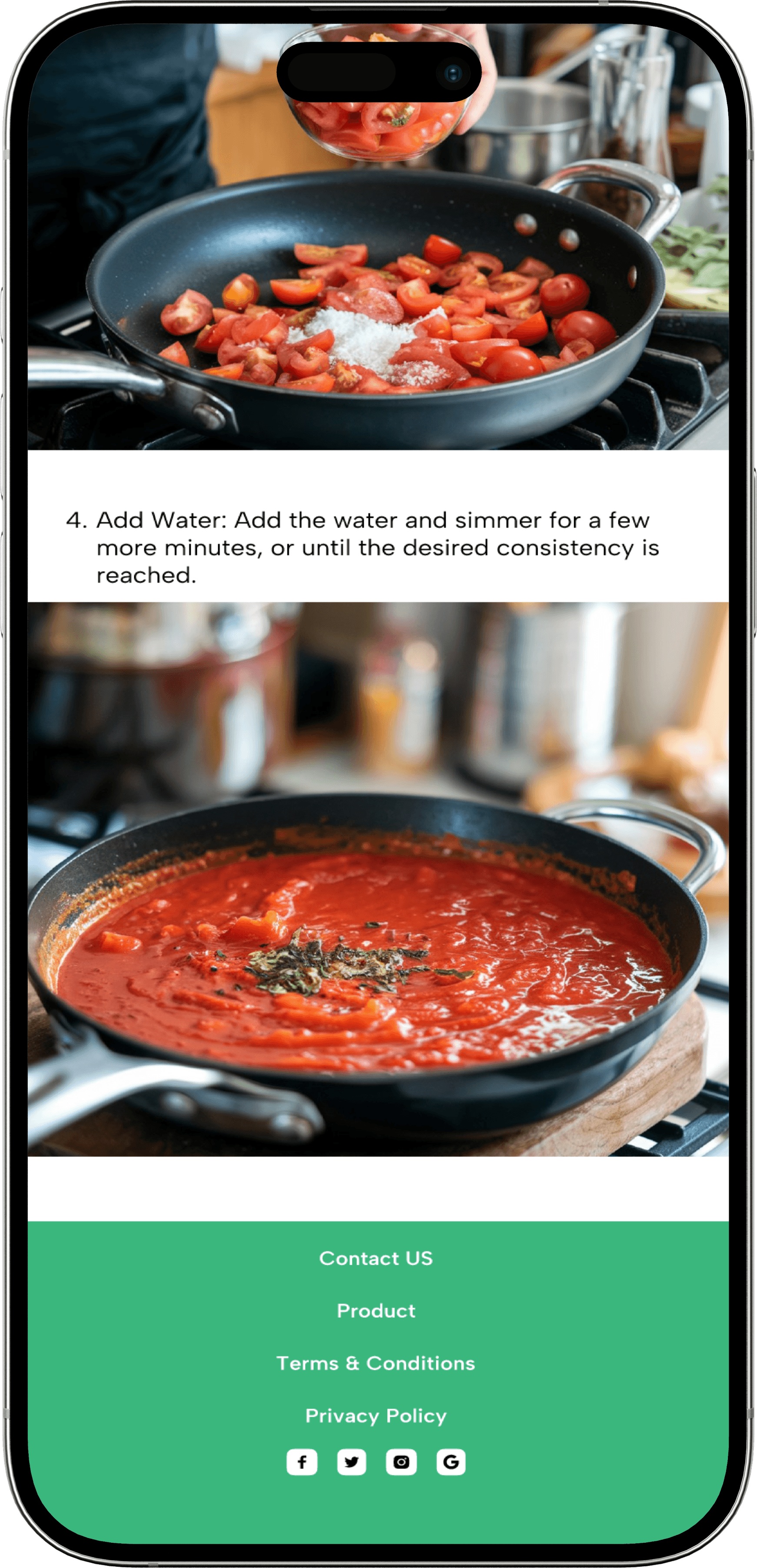
The final screens, after incorporating all changes based on usability testing and feedback, exhibit significant improvements.